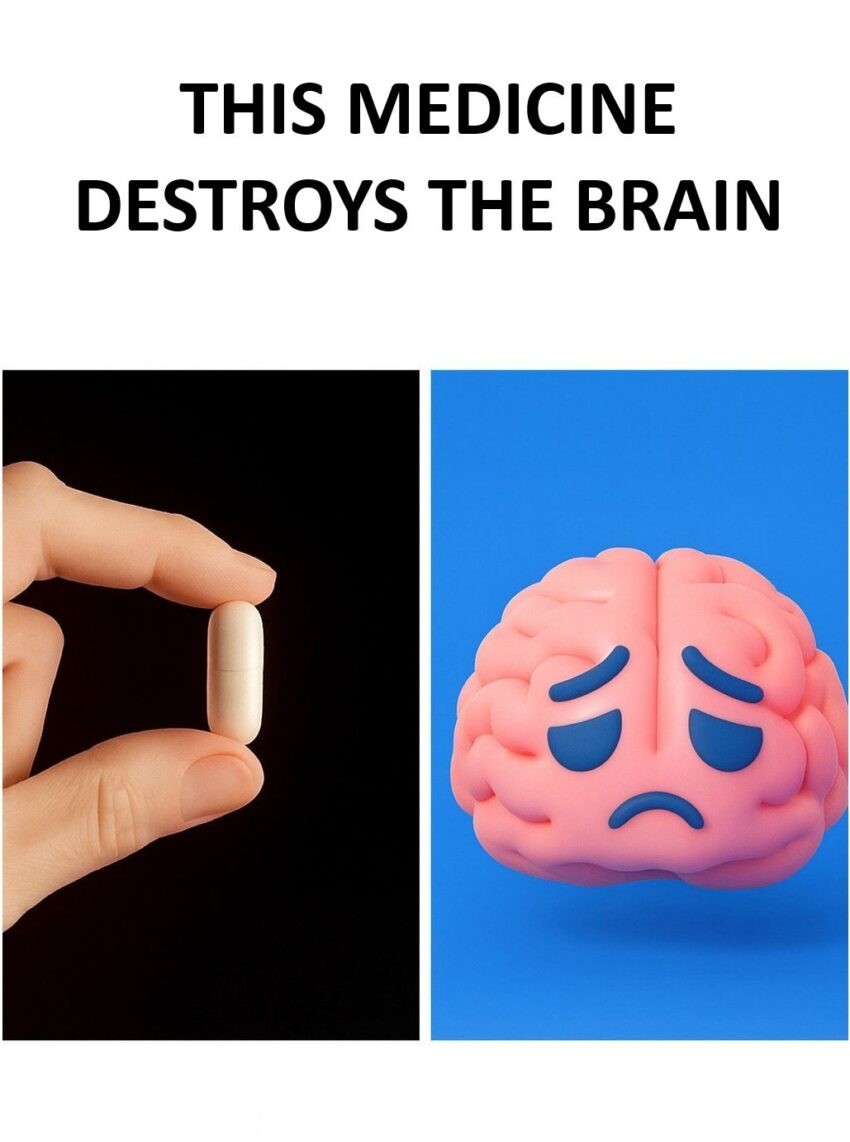
That kind of headline is designed to scare more than inform. Medications don’t usually “cause serious dementia” outright—but some drugs can affect memory, thinking, or increase the risk of cognitive problems, especially in older adults or when used long-term.
Here’s a clearer, evidence-based look at 8 medication groups linked to confusion or higher dementia risk 👇
🧠 Medications That Can Affect Memory & Thinking
1. Strong anticholinergic drugs
These block a brain chemical (acetylcholine) important for memory.
Examples:
- Diphenhydramine (common allergy/sleep aid)
- Oxybutynin
👉 Long-term use has been linked to higher risk of Dementia in some studies.
2. Benzodiazepines (sleep & anxiety meds)
Used for anxiety or insomnia.
Examples:
- Diazepam
- Alprazolam
👉 Can cause:
- Memory problems
- Confusion
- Increased fall risk
- Possible association with dementia (especially long-term use)
3. Certain sleep medications
“Z-drugs” used for insomnia.
Examples:
- Zolpidem
👉 May lead to confusion, especially in older adults.
4. Opioid painkillers
Strong pain medications.
Examples:
- Morphine
- Oxycodone
👉 Can impair thinking and alertness, especially at higher doses.
5. Some antidepressants (older types)
Particularly tricyclic antidepressants.
Example:
- Amitriptyline
👉 Strong anticholinergic effects → memory issues.
6. Antipsychotic medications
Used for psychiatric conditions.
Examples:
- Haloperidol
- Risperidone
👉 Can worsen confusion in elderly patients, especially those already vulnerable.
7. Anti-seizure medications
Some can slow brain activity.
Example:
- Topiramate
👉 Known for “brain fog” or slowed thinking in some people.
8. Proton pump inhibitors (possible link)
Used for acid reflux.
Example:
- Omeprazole
👉 Some studies suggest a possible association with dementia—but evidence is mixed and not conclusive.
⚠️ Important Reality Check
- These drugs don’t directly “cause dementia” in most people
- Risk depends on:
- Dose
- Duration
- Age
- Overall health
- In many cases, benefits outweigh risks when used properly
🚨 Biggest Risk Factor
The real danger is often:
👉 Taking multiple of these drugs together (polypharmacy)
✅ What You Should Do
- Don’t stop medications suddenly
- Review your meds with a doctor or pharmacist
- Ask if safer alternatives exist
- Use the lowest effective dose
🧾 Bottom line
Some medications can affect memory or increase dementia risk over time, but they are not universally dangerous. The key is safe, monitored use—not fear.
If you want, you can tell me which medicines you (or someone else) are taking, and I’ll help you assess whether there’s any real concern.
