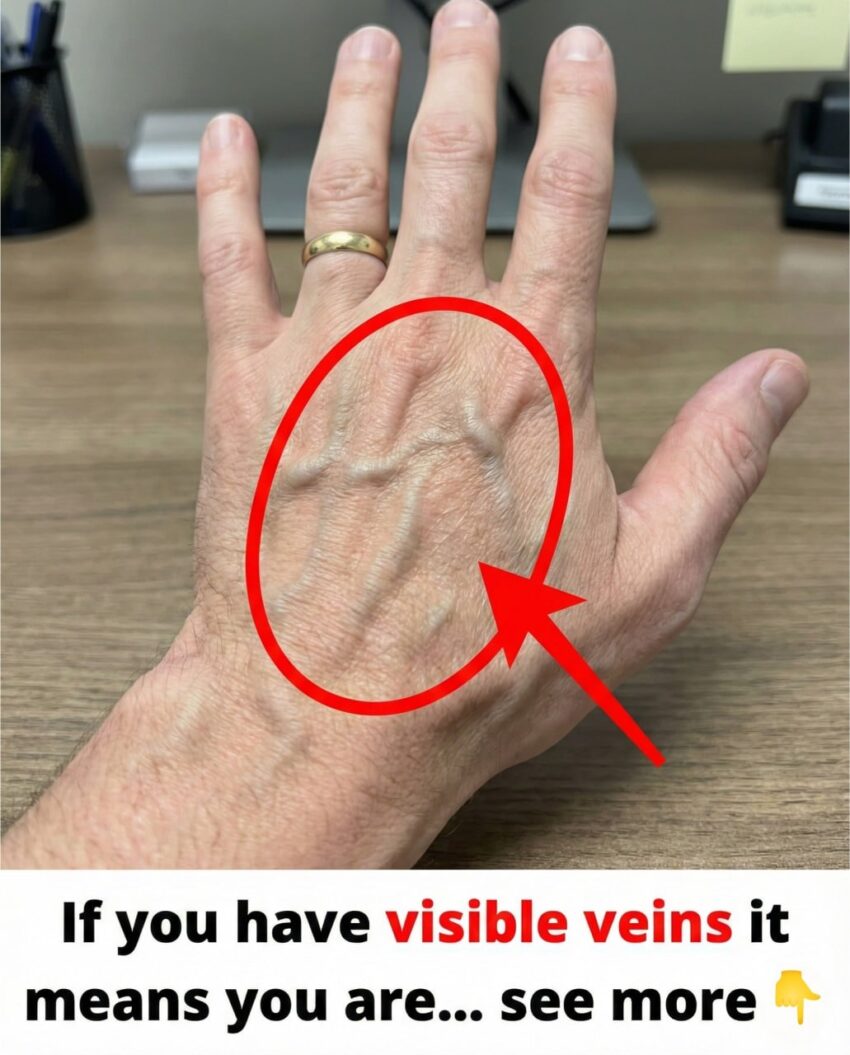
Bulging veins can look alarming, but they’re often harmless. The key is knowing when they’re normal—and when they might signal something more serious.
🟢 When bulging veins are usually harmless
These situations are common and typically not dangerous:
- Exercise or physical work → Veins expand to handle increased blood flow
- Heat → Warm weather causes veins to dilate
- Aging → Skin thins, making veins more visible
- Low body fat → Less fat = veins show more clearly
- Genetics → Some people naturally have more prominent veins
👉 In these cases, veins are usually painless, soft, and not worsening over time.
🟡 When to pay attention
Bulging veins might need attention if they come with:
- Aching, heaviness, or throbbing in the legs
- Swelling in ankles or feet
- Itching or skin discoloration
- Veins that appear twisted or rope-like
This can point to Varicose Veins, which is common and often manageable.
🔴 When it could be serious
Seek medical advice promptly if you notice:
- Sudden swelling in one leg
- Pain, warmth, and redness along a vein
- Hard, tender veins
These may indicate conditions like:
- Deep Vein Thrombosis (a blood clot)
- Thrombophlebitis
⚠️ These require medical evaluation because clots can become dangerous if untreated.
✅ What helps keep veins healthy
- Stay active (walking improves circulation)
- Avoid sitting or standing too long
- Elevate your legs when resting
- Maintain a healthy weight
- Consider compression stockings (if advised)
🧠 Bottom line
- Visible veins alone are usually harmless
- Symptoms like pain, swelling, or sudden changes are your signal to take it seriously
If you want, I can help you figure out whether your specific vein symptoms are likely harmless or worth checking—just describe what you’re noticing.
