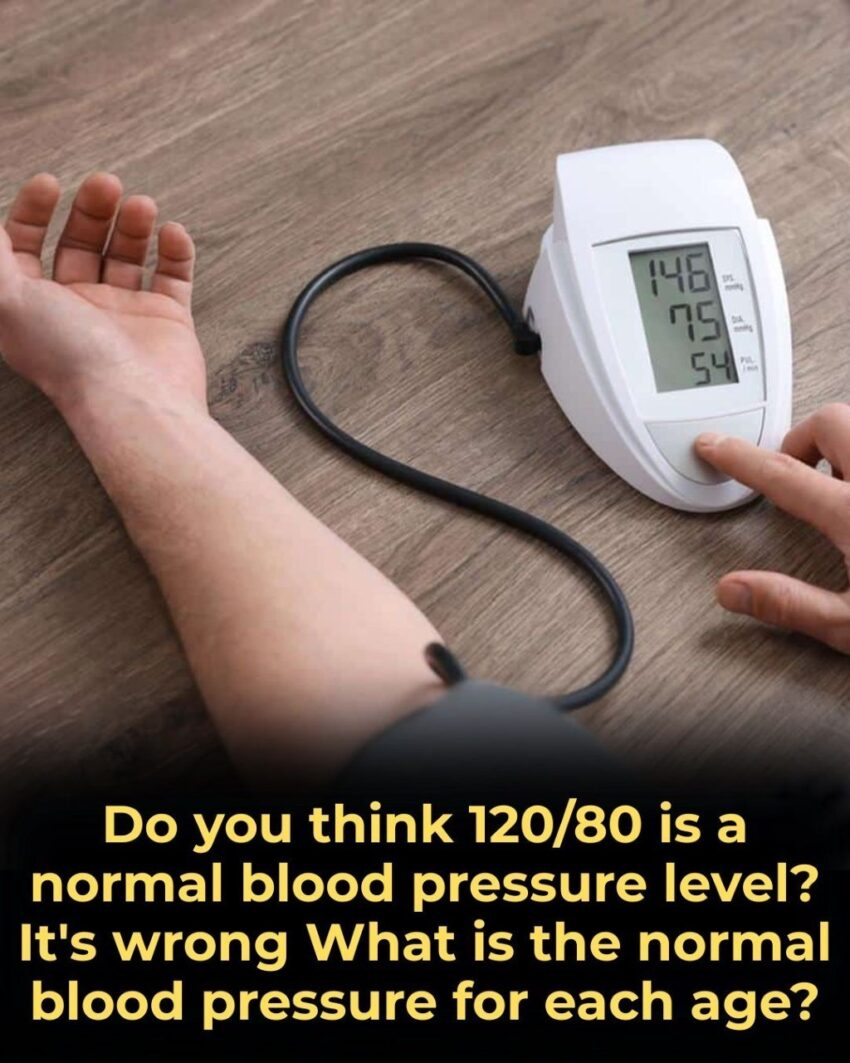
Here’s a clear, age-wise guide to normal blood pressure (BP). While age can influence readings slightly, healthy targets are mostly the same for adults.
🩺 Understanding the Numbers
- Systolic (top): pressure when the heart beats
- Diastolic (bottom): pressure when the heart rests
📊 Normal Blood Pressure by Age
👶 Children (1–12 years)
- Typical range: 90/60 to 110/70 mmHg
- Varies by height, age, and sex (doctors use charts)
👦 Teenagers (13–17 years)
- Normal: 90/60 to 120/80 mmHg
🧑 Adults (18–39 years)
- Ideal: Below 120/80 mmHg
👨 Adults (40–59 years)
- Normal: Below 120/80 mmHg
- Slight increases may occur, but lower is still better
👴 Seniors (60+ years)
- Target: Below 130/80 mmHg (commonly recommended)
- Doctors may individualize targets based on health
⚠️ Blood Pressure Categories (Adults)
| Category | Reading |
|---|---|
| Normal | < 120 / 80 |
| Elevated | 120–129 / < 80 |
| High (Stage 1) | 130–139 / 80–89 |
| High (Stage 2) | ≥ 140 / ≥ 90 |
👉 Persistent high readings may indicate Hypertension
🚨 When Blood Pressure Is Too Low
- Below 90/60 mmHg may be Hypotension
- Symptoms: dizziness, fainting, weakness
🧠 Important Points
- One reading isn’t enough—track trends over time
- BP varies with stress, activity, caffeine, and time of day
- Conditions like diabetes or kidney disease may change targets
✅ How to Keep BP in a Healthy Range
- Reduce salt (especially packaged/processed foods)
- Stay active (walking, exercise)
- Maintain a healthy weight
- Manage stress and sleep well
- Avoid smoking
💡 Bottom Line
- For most adults: around 120/80 mmHg or lower is ideal
- With age, slight increases can happen—but healthy control remains essential
If you want, you can share your BP readings and I’ll help you interpret whether they’re normal or need attention.
