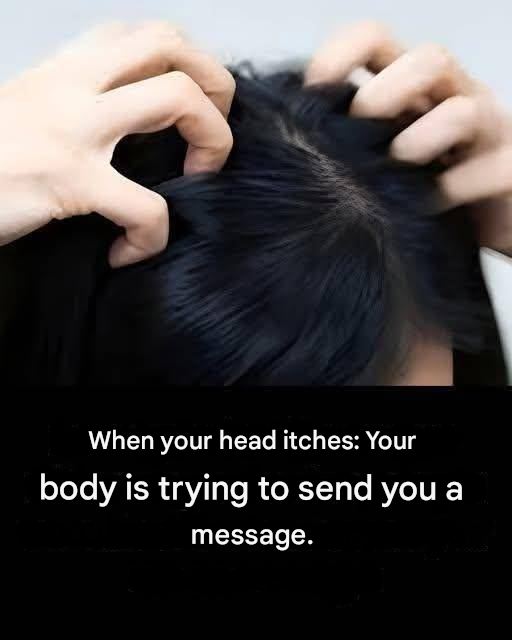
An itchy scalp is a common problem that can range from mild irritation to a sign of an underlying condition. Understanding the cause is key to effective treatment. Here’s a detailed breakdown:
🩺 Main Causes of an Itchy Scalp
1. Dandruff (Seborrheic Dermatitis)
- Flaky, white or yellowish scales on the scalp
- Often accompanied by itching and redness
- Triggered by yeast overgrowth (Malassezia), stress, or oily skin
2. Dry Scalp
- Often feels tight, dry, and itchy
- Causes: cold weather, harsh shampoos, dehydration
- Unlike dandruff, flakes are smaller and dry-looking
3. Allergic Reactions / Irritation
- Reaction to shampoos, conditioners, hair dyes, or styling products
- Can cause redness, itchiness, and sometimes rash
4. Psoriasis
- Chronic autoimmune condition
- Scalp shows thick, silvery scales with redness
- May extend beyond the hairline
5. Fungal Infections
- Ringworm (tinea capitis) causes patchy hair loss, redness, and itching
- Requires antifungal treatment
6. Head Lice
- Tiny parasites that feed on scalp blood
- Causes intense itching, especially behind ears and at the nape of the neck
- Look for tiny white eggs (nits) attached to hair shafts
7. Stress or Hormonal Changes
- Stress can trigger flare-ups of dandruff or psoriasis
- Hormonal imbalances may affect oil production, leading to itchiness
💡 Tips to Relieve Itchy Scalp
- Use gentle, sulfate-free shampoos
- Medicated shampoos (containing ketoconazole, zinc pyrithione, or salicylic acid) for dandruff
- Avoid scratching—this can worsen irritation or cause infection
- Moisturize with natural oils (coconut or tea tree oil) for dry scalp
- Maintain a healthy diet and hydration
💡 Bottom Line:
An itchy scalp can have multiple causes—from simple dryness to fungal infections or autoimmune conditions. Observation, proper hair care, and targeted treatment are key to relief.
If you want, I can make a quick guide to stop scalp itching at home, listing which shampoos, oils, and routines work best for each cause.
