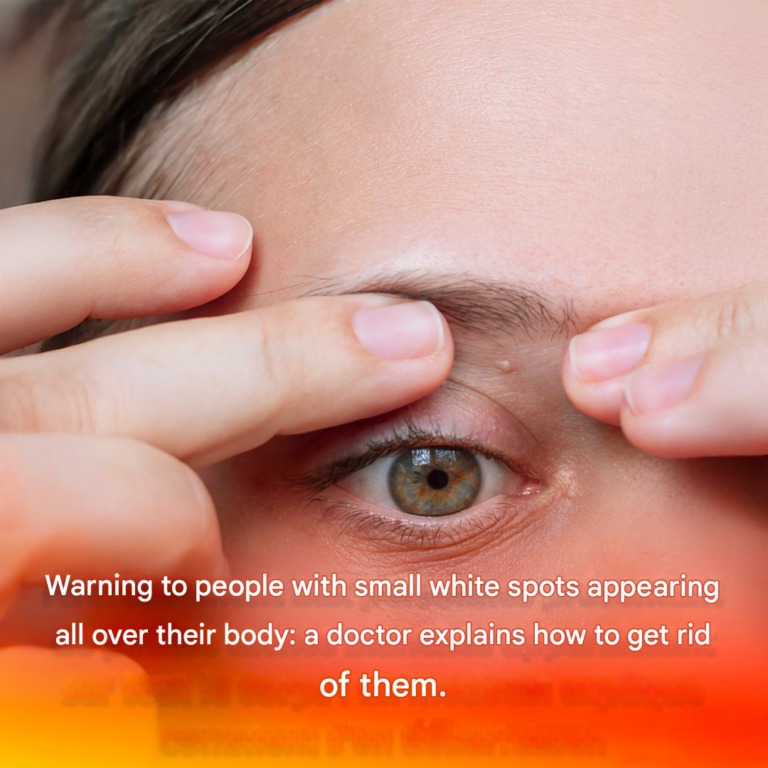
Small white spots on the skin can have several different causes, and most are harmless—but it’s important to identify the type before trying to treat them. Here’s what they commonly mean and how to deal with them:
Common Causes of White Spots
1. Tinea Versicolor
- What it looks like: Light or white patches, often on the chest, back, neck, or arms.
- Cause: A yeast (fungus) that affects skin pigmentation.
- Treatment:
- Antifungal creams or shampoos
- Keeping skin clean and dry
2. Vitiligo
- What it looks like: Clearly defined white patches that may spread over time.
- Cause: Loss of pigment due to immune system attacking melanocytes.
- Treatment:
- Medical treatments like topical steroids or light therapy
- Requires dermatologist evaluation
3. Milia
- What it looks like: Small white bumps, especially on the face.
- Cause: Trapped keratin under the skin.
- Treatment:
- Gentle exfoliation
- Professional removal if persistent
4. Idiopathic Guttate Hypomelanosis
- What it looks like: Small white spots on arms and legs, common with aging.
- Cause: Sun exposure and skin aging.
- Treatment:
- Usually no treatment needed
- Sunscreen helps prevent more spots
When to See a Doctor
- Spots are spreading or changing quickly
- Associated with itching, scaling, or pain
- You’re unsure of the cause
Key Takeaway
White spots on the skin are usually not dangerous, but the cause matters. Some are simple fungal issues, while others (like vitiligo) need medical care. Correct diagnosis is the first step to proper treatment.
If you want, I can help you identify your specific type by asking a few simple questions about the spots (location, size, itching, etc.).
