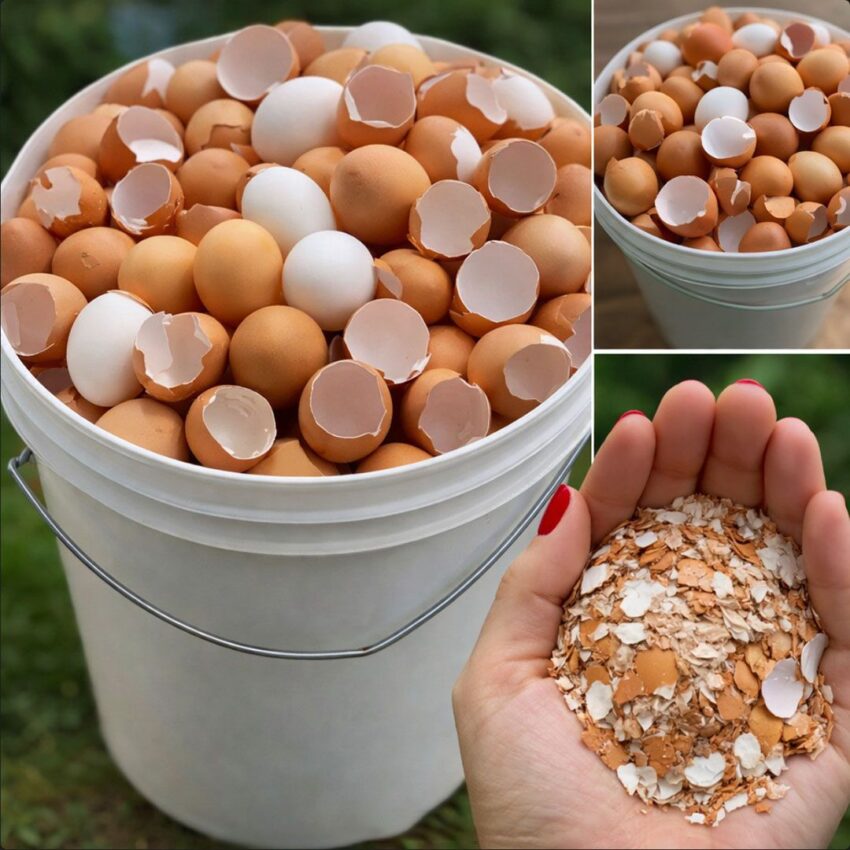
Stop Throwing Away Eggshells: Boil Them and Discover Their Hidden Benefits
Introduction
Eggshells are often discarded without a second thought, but they are actually rich in minerals—especially calcium. When boiled properly, eggshells can be reused in simple, practical ways that benefit your health, home, and garden.
Why Eggshells Are Valuable
Eggshells are made up of about 90–95% calcium carbonate, along with small amounts of other minerals. This makes them a natural and inexpensive resource for multiple uses.
1. Natural Calcium Boost for Plants
Boiled eggshell water can be used to nourish plants. After boiling, let the water cool and use it to water your garden or indoor plants. The minerals help strengthen plant growth and improve soil quality.
2. Improve Soil Quality
Crushed eggshells can be mixed directly into soil. They help reduce soil acidity and provide long-term nutrients as they slowly break down.
3. Pest Deterrent
Sprinkling crushed eggshells around plants can help keep away pests like slugs and snails due to their sharp texture.
4. Household Cleaner
Dried and crushed eggshells can act as a mild abrasive for cleaning pots, pans, and hard-to-clean surfaces without harsh chemicals.
5. Support for Bone Health (With Caution)
Some people use finely ground, sterilized eggshell powder as a calcium supplement. However, this should only be done carefully and ideally under professional guidance to avoid contamination or improper dosage.
6. Compost Enrichment
Eggshells break down in compost and add valuable nutrients, making your compost more effective and balanced.
How to Prepare Eggshells Safely
- Rinse eggshells thoroughly after use
- Boil them to kill bacteria
- Let them dry completely
- Crush or grind depending on intended use
Important Tips
- Always ensure eggshells are clean before reuse
- Avoid large sharp pieces if using around delicate plants
- Do not consume eggshells unless properly sterilized and finely ground
Conclusion
Eggshells are far more useful than they seem. By boiling and reusing them, you can reduce waste, support plant health, and even find practical uses around your home. Small changes like this can make a meaningful difference in sustainability and everyday living.
