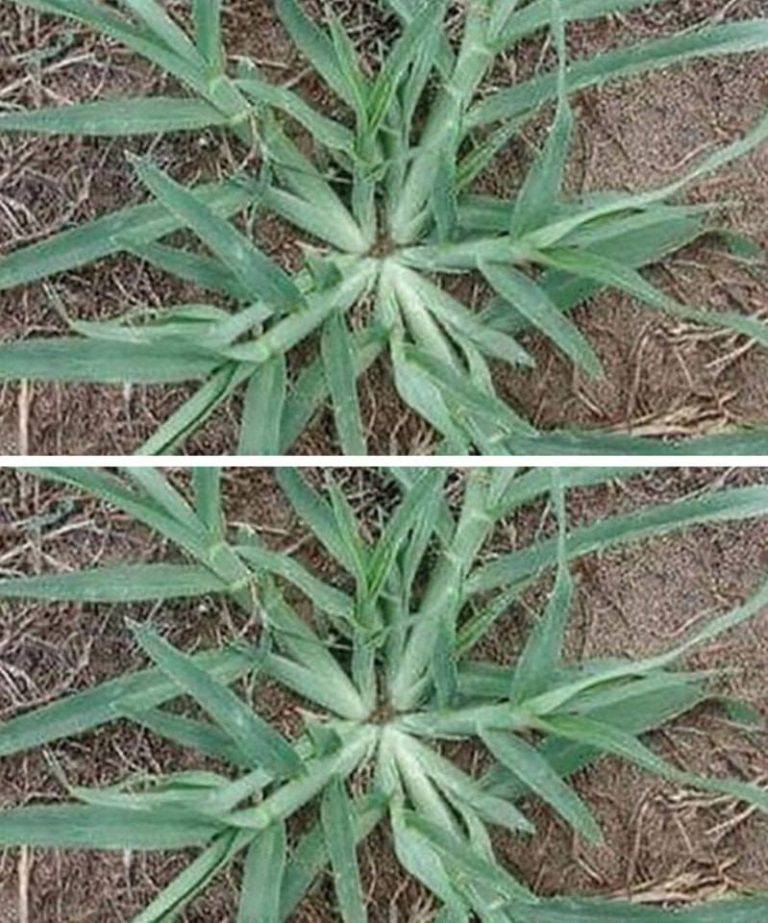
That kind of statement is another viral gardening claim—and it’s incomplete without knowing which plant it’s talking about.
Why posts say “never uproot this plant”
These captions are used to make common plants sound special. Usually, the plant turns out to be:
- A medicinal herb
- A pollinator-friendly wild plant
- A nitrogen-fixing plant that improves soil
- Or simply a useful weed people don’t recognize
Examples of plants often mentioned
1. Dandelion
Often called a weed, but:
- Edible leaves and roots
- Supports pollinators
- Deep roots improve soil
2. Purslane
- Rich in omega-3 fatty acids
- Grows easily in poor soil
- Completely edible
3. Clover
- Adds nitrogen to soil naturally
- Helps nearby plants grow better
4. Plantain (not the banana)
- Traditionally used for skin and minor wounds
Important reality check
Not every plant you should “never uproot” is actually safe or useful:
- Some plants are invasive and harm your garden
- Some can be toxic to humans or pets
- Some compete with crops for nutrients
What you should do
Before removing or keeping a plant:
- Identify it properly
- Check if it’s beneficial, edible, or harmful
- Decide based on your garden needs
Bottom line
“Never uproot this plant” is usually clickbait. Some wild plants are useful—but not all. Proper identification is what really matters.
If you want, upload a photo of the plant in your garden, and I’ll tell you exactly what it is and whether to keep or remove it.
