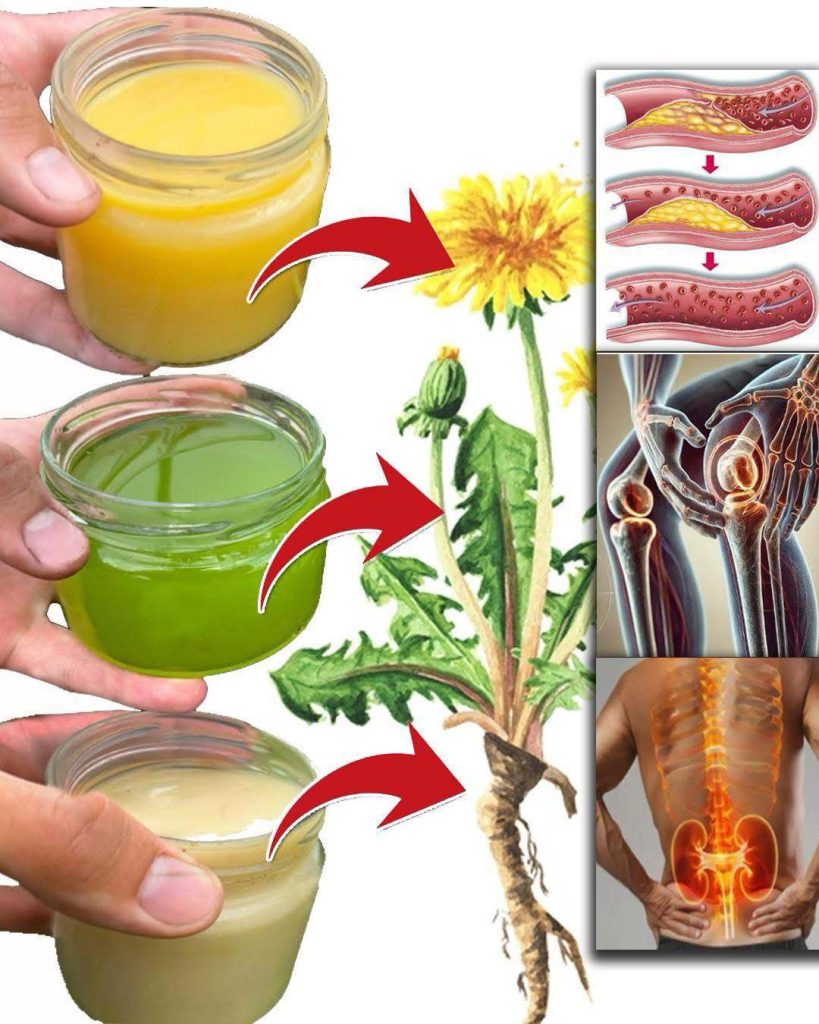
Here’s a clear, accurate breakdown of the idea behind “30 surprising properties of dandelion”—without the exaggerated claims.
First mention: Dandelion
🌼 30 properties of dandelion (realistic overview)
🌿 Nutritional value
- Rich in vitamin A (beta-carotene)
- Contains vitamin C
- Provides vitamin K
- Small amounts of vitamin E and B vitamins
- Contains potassium
- Contains calcium
- Contains iron
- Provides magnesium
🧪 Natural plant compounds
- High in antioxidants
- Contains flavonoids
- Contains polyphenols
- Contains bitter compounds (help digestion signaling)
- Contains inulin (a prebiotic fiber)
🍃 Traditional digestive uses
- Traditionally used to support digestion
- May stimulate appetite (bitter taste effect)
- Used in herbal teas for bloating (traditional use)
- May mildly support gut movement due to fiber
💧 Fluid balance (traditional use)
- Mild natural diuretic effect reported in folk medicine
- Sometimes used for temporary water retention support
🧴 Liver & detox claims (clarified)
- Traditionally associated with liver “support”
- Contains compounds studied for liver enzyme activity
⚠️ (Not a detox cure—your liver already detoxes the body)
⚖️ Metabolic & blood sugar (early research only)
- Inulin may support gut microbiome
- May slightly influence post-meal sugar response in studies
⚠️ Not a treatment for diabetes
🌱 Anti-inflammatory / immune support (early evidence)
- Contains anti-inflammatory plant compounds
- May support general immune function (antioxidant role)
🍽️ Culinary uses
- Young leaves used in salads
- Can be cooked like greens (similar to spinach)
- Roots can be roasted for tea-like drink
- Flowers used in syrups or infused drinks
- Leaves used in herbal teas
🧠 Simple truth
Dandelion is:
- a nutrient-rich edible wild plant
- mildly useful in digestion and traditional herbal practices
- NOT a miracle cure or “detox super plant”
If you want, I can also show:
- how to safely prepare dandelion for eating
- or which parts (root, leaf, flower) are best for different uses 👍
