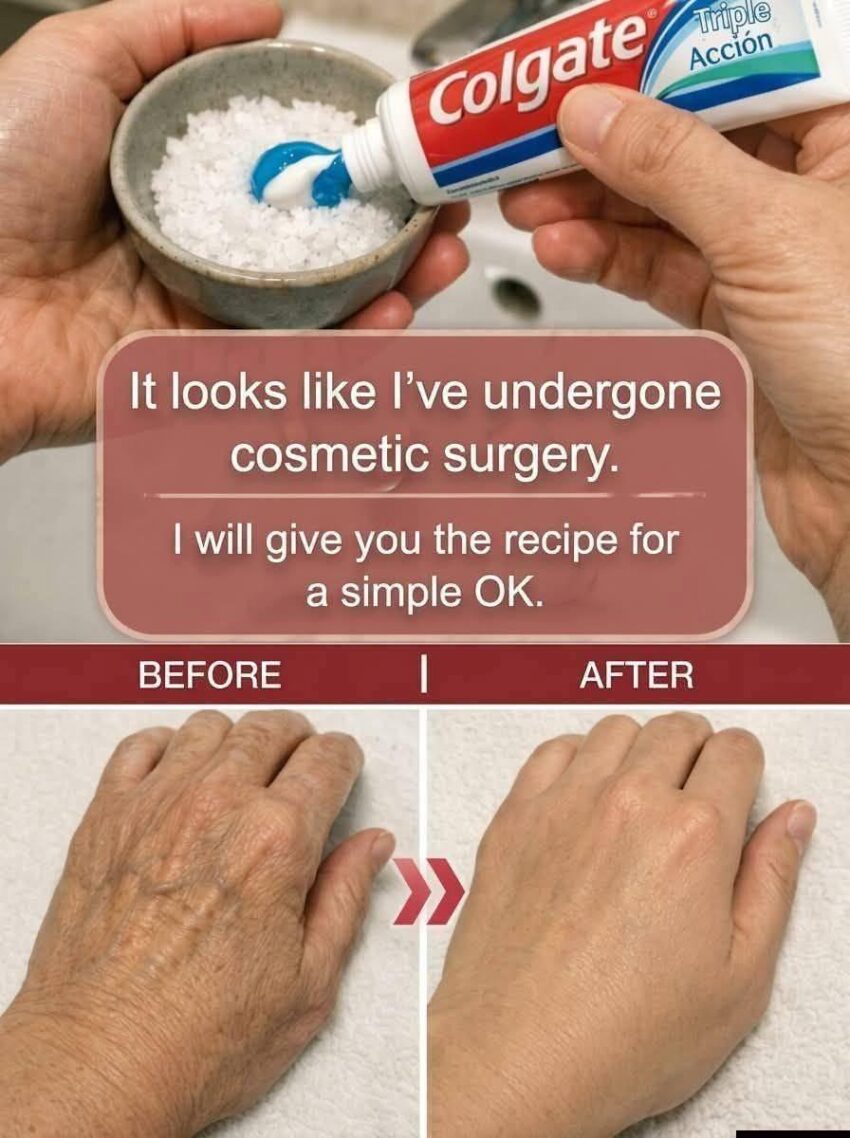
Short answer: toothpaste does not improve age spots or wrinkles, and using it on skin can actually make things worse.
Why people think it works
Some toothpaste ingredients (like baking soda, hydrogen peroxide, or menthol) can create a temporary “tight” or “dry” feeling on the skin. That can look like a slight smoothing effect for a short time—but it’s not real treatment.
What actually happens if you use toothpaste on skin
Toothpaste is made for teeth, not facial skin. It can:
- Irritate or burn sensitive skin
- Cause redness, peeling, or dryness
- Disrupt your skin barrier (making wrinkles look worse over time)
- Trigger breakouts or dark spots in some people
So instead of fading age spots, it can actually increase discoloration and texture problems.
What actually helps age spots and wrinkles naturally
If your goal is clearer, smoother skin, these are proven and safer options:
1. Sunscreen (most important)
Daily use of SPF 30+ prevents new age spots and slows wrinkle formation. Sun damage is the #1 cause of both.
2. Vitamin C (antioxidant)
Helps brighten dark spots and supports collagen production.
3. Retinoids / retinol
One of the most effective ingredients for:
- reducing fine lines
- improving skin texture
- fading pigmentation over time
4. Gentle exfoliation (1–2x/week)
Ingredients like lactic acid or glycolic acid help fade dull, uneven skin tone.
5. Moisturizing
Well-hydrated skin naturally looks smoother and reduces the appearance of wrinkles.
Bottom line
Toothpaste is a common internet “hack,” but it’s not safe or effective for age spots or wrinkles. Real improvement comes from sun protection, consistent skincare, and proven active ingredients, not household products meant for teeth.
If you want, I can suggest a simple routine based on your skin type (oily, dry, or combination).
