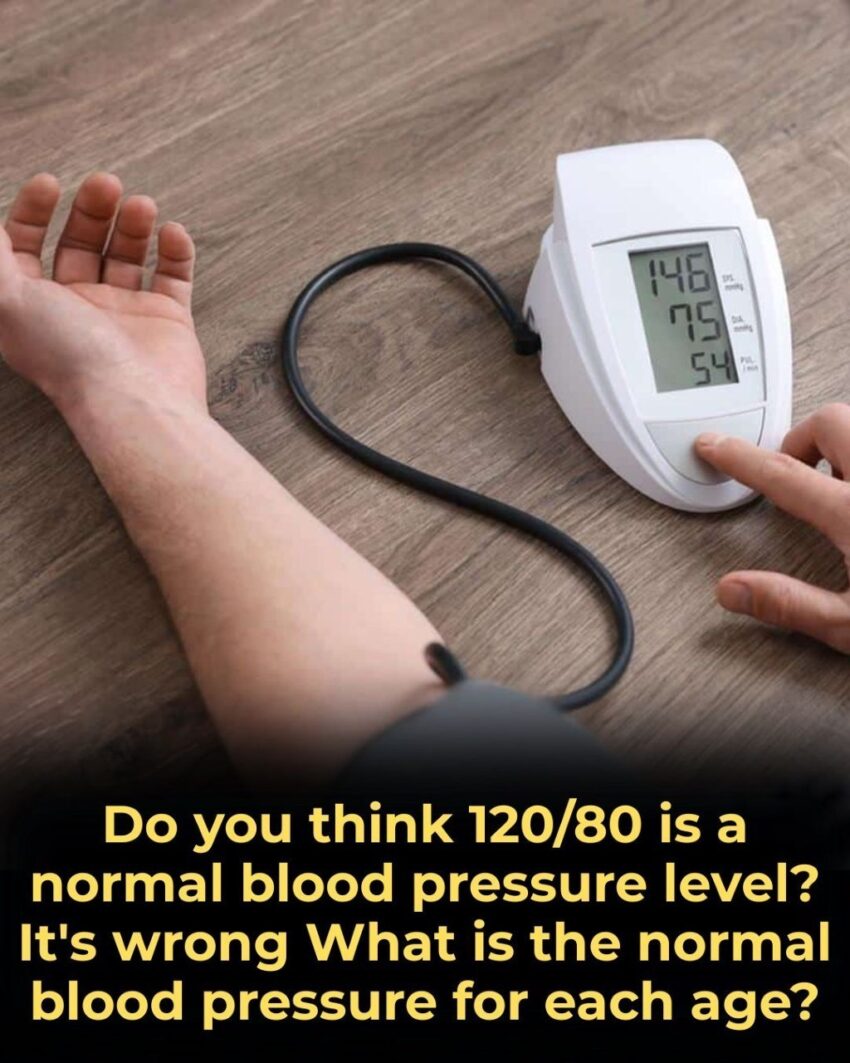
“Normal blood pressure” doesn’t change dramatically by age in healthy adults, but slightly higher values become more common as people get older. Doctors mainly use one standard target for adults now.
✅ Standard Normal Blood Pressure (Adults)
- Normal: less than 120/80 mmHg
- Elevated: 120–129 / less than 80
- High BP (Stage 1): 130–139 / 80–89
- High BP (Stage 2): 140+ / 90+
📊 Normal Blood Pressure by Age (Approximate Ranges)
👶 Children
- Newborns: ~60–90 / 30–60
- 1–5 years: ~80–110 / 50–80
- 6–12 years: ~90–120 / 60–80
(In children, “normal” depends heavily on height, age, and gender.)
👦 Teenagers (13–17)
- Around 110–135 / 65–85
🧑 Adults (18–59)
- Ideal: <120/80
- Acceptable: up to 129/84 (depending on health)
- Consistently above 130/80 = hypertension risk
👴 Older adults (60+)
- Often seen: 120–140 / 70–90
- Many doctors still aim for:
- Below 130/80 (especially if diabetic or heart disease risk)
- Slightly higher systolic (top number) is common with age due to stiff arteries.
⚠️ Important Note
There is no separate “safe high BP because of age” rule anymore. Modern guidelines focus more on overall heart risk rather than age alone.
🚨 When to worry
- Below 90/60: may be low (if symptoms like dizziness)
- Above 140/90 repeatedly: high blood pressure
- 180/120 or more: emergency
If you want, tell me your age and BP reading—I can help you interpret whether it’s normal or not.
