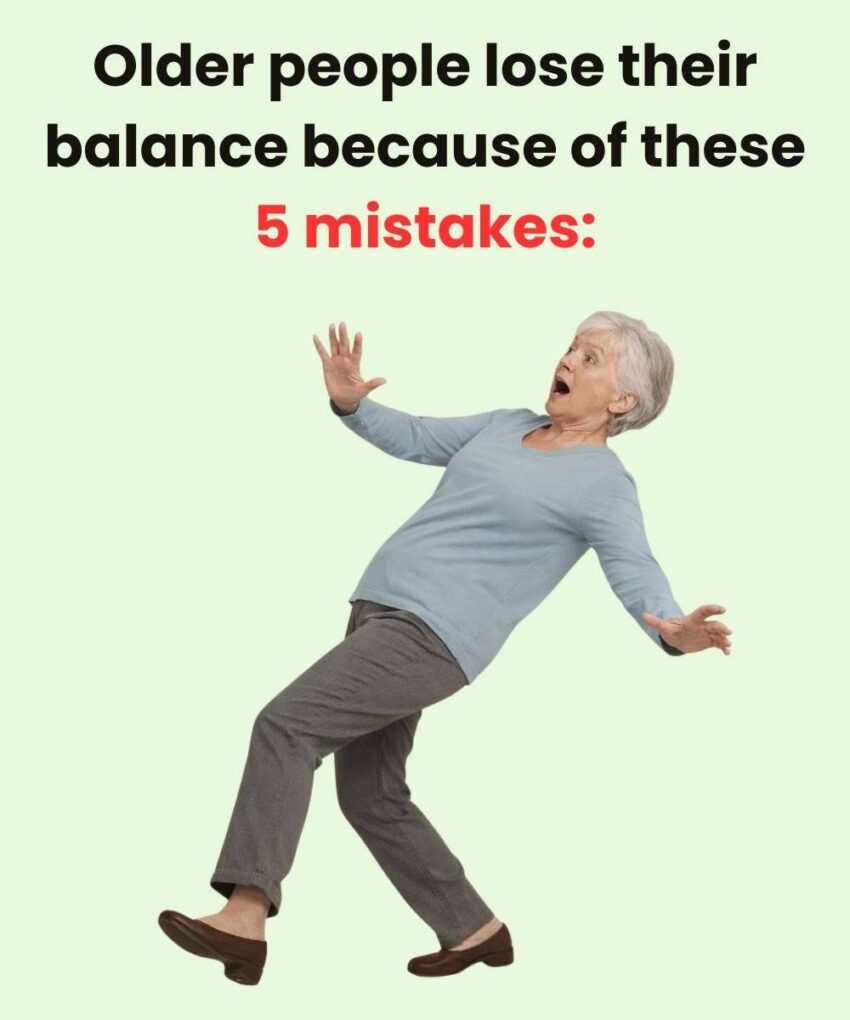
Balance problems and falls in older adults are usually not caused by a single issue. They often come from a combination of everyday habits, medical conditions, and environmental risks. Here are some of the most common mistakes that increase the risk:
1. Not staying physically active
A major mistake is becoming less active with age. Weak leg muscles and poor core strength reduce stability and reaction time. Conditions like reduced muscle mass (sarcopenia) make it harder to recover from a stumble.
2. Ignoring vision and hearing problems
Poor eyesight or uncorrected vision (like cataracts or glaucoma) makes it harder to judge distance and detect obstacles. Hearing issues can also affect spatial awareness and balance.
3. Medication side effects or misuse
Many older adults take multiple medications. Some drugs cause dizziness, drowsiness, or low blood pressure. For example:
- sedatives or sleeping pills
- blood pressure medications
- certain antidepressants
These can contribute to imbalance or lightheadedness.
4. Sudden posture changes
Standing up too quickly can cause a drop in blood pressure, known as orthostatic hypotension. This leads to dizziness or even fainting.
5. Unsafe home environments
Common hazards include:
- loose rugs or slippery floors
- poor lighting, especially at night
- cluttered walkways
- lack of grab bars in bathrooms
6. Ignoring chronic health conditions
Some conditions directly affect balance and coordination:
- Parkinson’s disease can cause stiffness and shuffling gait
- Diabetes mellitus may lead to nerve damage (neuropathy), reducing foot sensation
- inner ear disorders affecting the Vestibular system can cause vertigo and instability
- cardiovascular issues may reduce blood flow to the brain, increasing dizziness
7. Poor footwear choices
Wearing loose slippers, high heels, or worn-out shoes reduces traction and stability.
8. Not addressing fear of falling
After a fall, some people reduce activity out of fear. This leads to muscle weakness, which actually increases fall risk over time.
9. Dehydration and poor nutrition
Not drinking enough water or lacking key nutrients (like vitamin D and protein) can weaken muscles and affect coordination.
Bottom line
Falls in older adults are usually preventable. Small changes—like regular exercise, reviewing medications, improving home safety, and treating underlying health issues—can significantly improve balance and reduce risk.
If you want, I can also share a simple daily exercise routine or a home safety checklist tailored for older adults.
