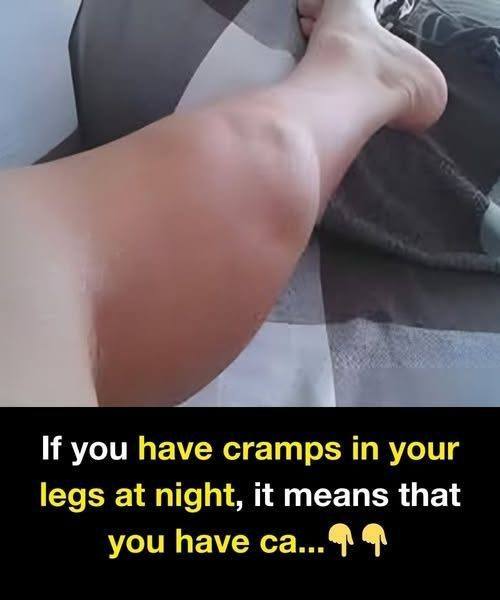
Night cramps (often called nocturnal leg cramps) are sudden, painful muscle contractions—usually in the calves—that can wake you from sleep. They’re common, but certain people are much more at risk.
🧠 Who Is Most at Risk of Night Cramps?
1. Older Adults
As people age, muscles lose flexibility and nerve function changes. That’s why night cramps are more common after age 50.
2. People with Certain Medical Conditions
- Type 2 Diabetes
- Peripheral Neuropathy
- Chronic Kidney Disease
- Hypothyroidism
- Peripheral Artery Disease
These conditions affect nerves, circulation, or electrolytes—key factors in muscle function.
3. Pregnant Women
Hormonal changes and increased pressure on blood vessels make cramps (especially in the 2nd and 3rd trimester) very common.
4. People Who Are Dehydrated
Not drinking enough fluids—especially in hot climates—can disturb electrolyte balance (like potassium, magnesium, sodium).
5. Those with Mineral Deficiencies
Low levels of:
- Magnesium
- Potassium
- Calcium
can make muscles more likely to cramp.
6. People Taking Certain Medications
Examples include:
- Diuretics (water pills)
- Statins (cholesterol meds)
- Some asthma drugs
These can affect muscle or electrolyte balance.
7. Sedentary or Overactive Individuals
- Sitting all day → muscles tighten
- Over-exercising → muscle fatigue
Both extremes increase risk.
8. Poor Sleep Position
Sleeping with your feet pointed downward can shorten calf muscles and trigger cramps.
⚡ How to Stop a Night Cramp Immediately
When a cramp strikes:
1. Stretch the muscle
- Straighten your leg
- Pull your toes toward your head
2. Massage the area
- Gently rub or knead the muscle
3. Apply heat or cold
- Warm towel or heating pad to relax
- Ice if soreness remains
4. Get up and walk
- Helps reset muscle contraction
🌙 How to Prevent Night Cramps
✔ Stay Hydrated
Drink enough water throughout the day—especially in hot regions like Multan.
✔ Improve Your Diet
Include foods rich in:
- Magnesium (nuts, seeds, spinach)
- Potassium (bananas, potatoes)
- Calcium (milk, yogurt)
✔ Stretch Before Bed
Focus on calves and hamstrings for 5–10 minutes.
✔ Adjust Sleep Position
- Keep feet in a neutral position (not pointed down)
- Use a pillow to support legs if needed
✔ Wear Proper Footwear
Good support during the day reduces nighttime strain.
✔ Review Medications
If cramps are frequent, talk to a doctor—especially if you’re on diuretics or statins.
🚨 When to See a Doctor
Seek medical advice if:
- Cramps happen very often or are severe
- There’s swelling, redness, or weakness
- You suspect an underlying condition like Peripheral Artery Disease
🧾 Bottom Line
Night cramps are usually harmless but can signal dehydration, mineral imbalance, or underlying health issues. Most cases improve with hydration, stretching, and simple lifestyle adjustments—but persistent cramps deserve medical attention.
If you want, I can give you a simple nightly routine (5-minute habit) that dramatically reduces cramps for most people.
