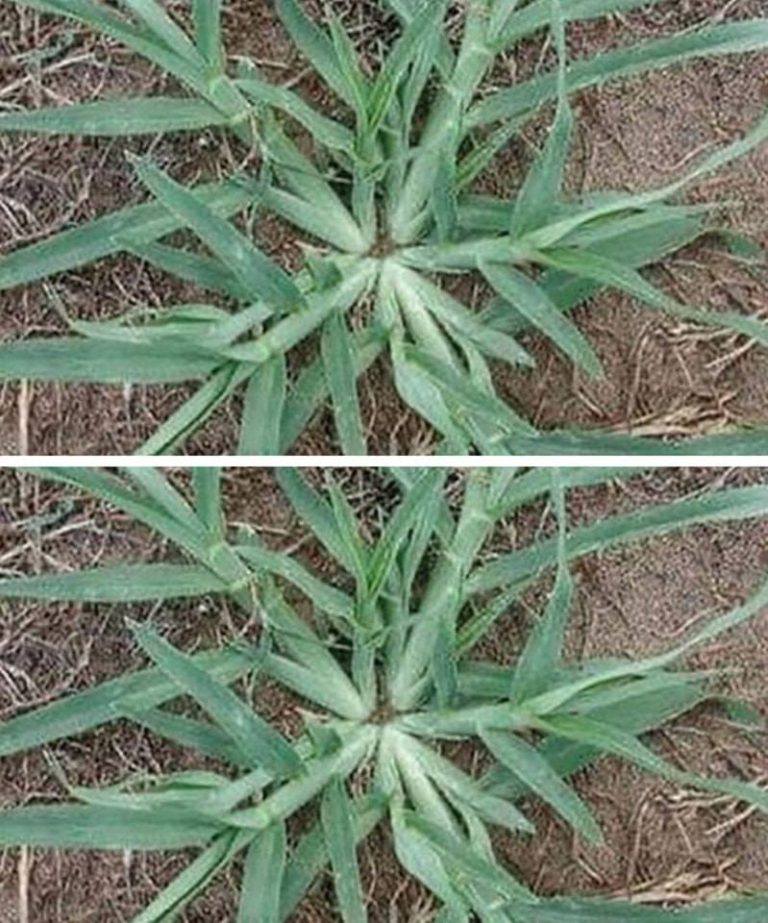
That line is another viral-style claim that’s meant to sound mysterious, but it’s not a real rule.
It’s usually referring to Purslane—a common edible weed in many gardens.
Why people say “don’t uproot it”
Purslane is often called a “weed,” but it has some useful traits:
- It’s edible (leaves and stems can be eaten)
- Contains omega-3 fatty acids (ALA)
- Grows easily in poor soil without care
- Can act as a ground cover, helping reduce soil erosion
- Tolerates heat and drought very well
Because of this, some gardeners choose to keep it instead of removing it immediately.
But here’s the reality
There is no scientific rule that you should always keep it in your garden.
It depends on your situation:
When it might be useful
- You want an edible wild green
- You don’t mind it spreading
- You use it in salads or cooking
When you might remove it
- It’s taking over flower beds or crops
- You prefer a tidy, controlled garden
- You don’t plan to eat wild greens
- You’re managing landscaping plants
Important clarification
- It is not rare
- It is not dangerous
- It is not medicinal in a dramatic way
- It is simply a nutritious wild plant that some people like to keep
Bottom line
“Never uproot this plant” is social media exaggeration.
Purslane is optional: useful to keep if you want it, harmless to remove if you don’t.
If you want, I can show you how to safely identify edible purslane vs look-alike weeds, because that’s usually what people are actually worried about.
