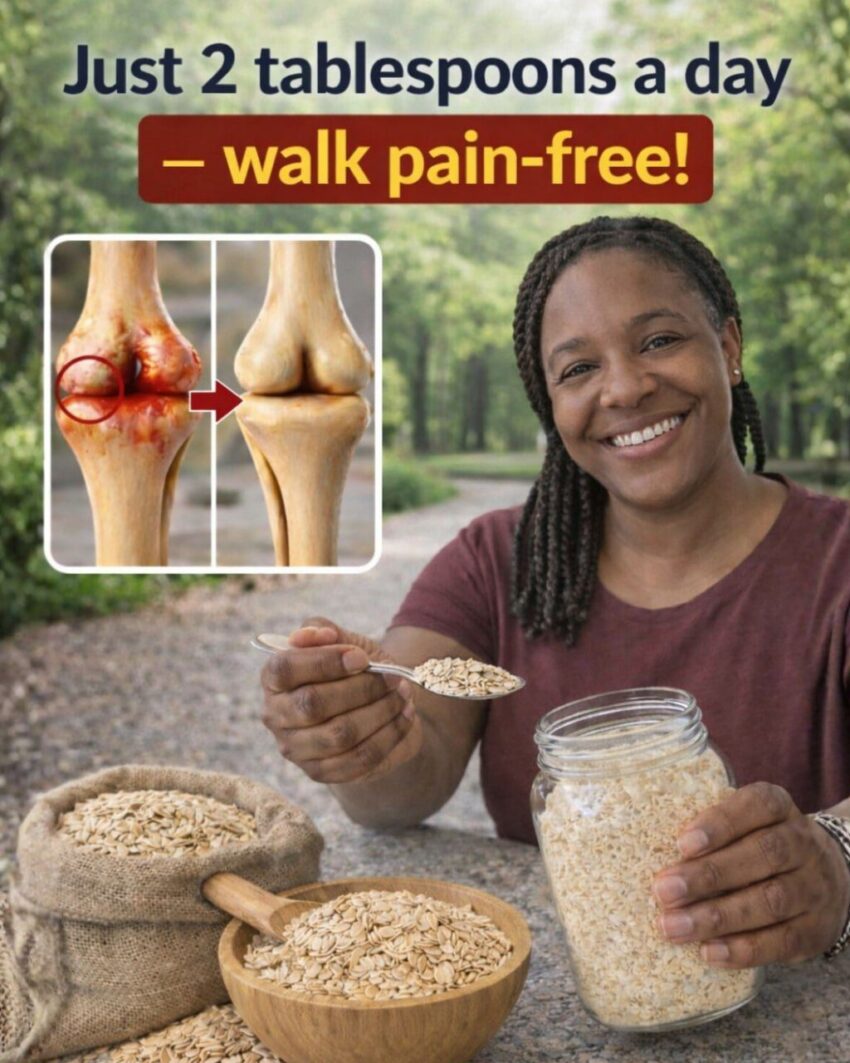
Knee discomfort getting more common with age isn’t a mystery or a single disease—it’s the result of gradual wear, tissue changes, and cumulative stress over time.
The biggest reason: joint wear and tear
The most common cause is Osteoarthritis.
Over the years:
- Cartilage (the smooth cushion in the joint) thins and roughens
- Bones begin to rub more directly
- This leads to stiffness, swelling, and pain—especially with movement
Muscle and support changes
As we age:
- Muscles around the knee (especially quadriceps) lose strength
- We rely more on the joint itself instead of muscular support
- This increases stress on the knee
Reduced joint lubrication
- The joint produces less efficient synovial fluid (natural lubricant)
- Movement can feel stiffer, especially after sitting or in the morning
Past injuries catch up
Old injuries like:
- Ligament tears
- Meniscus damage
…can lead to long-term changes, including Post-traumatic arthritis
Changes in alignment and biomechanics
- Years of walking, standing, or poor posture can shift how weight is distributed
- Even small imbalances increase wear on specific parts of the knee
Other contributing factors
- Weight gain → more load on the knees
- Inflammation → from conditions like Rheumatoid arthritis
- Reduced activity → leads to stiffness and weaker support muscles
What it typically feels like
- Stiffness after rest (“start-up pain”)
- Pain going up/down stairs
- Clicking or grinding sensations
- Reduced flexibility
What actually helps
- Regular low-impact exercise (walking, cycling, swimming)
- Strengthening the thighs and hips
- Maintaining a healthy weight
- Occasional use of physical therapy
Bottom line
Knee discomfort with age is mostly about gradual joint changes plus muscle loss, not a sudden problem—and it can often be improved with the right habits.
If you want, I can give you a simple daily routine to reduce knee pain and improve mobility, especially tailored for over 50 or 60.
