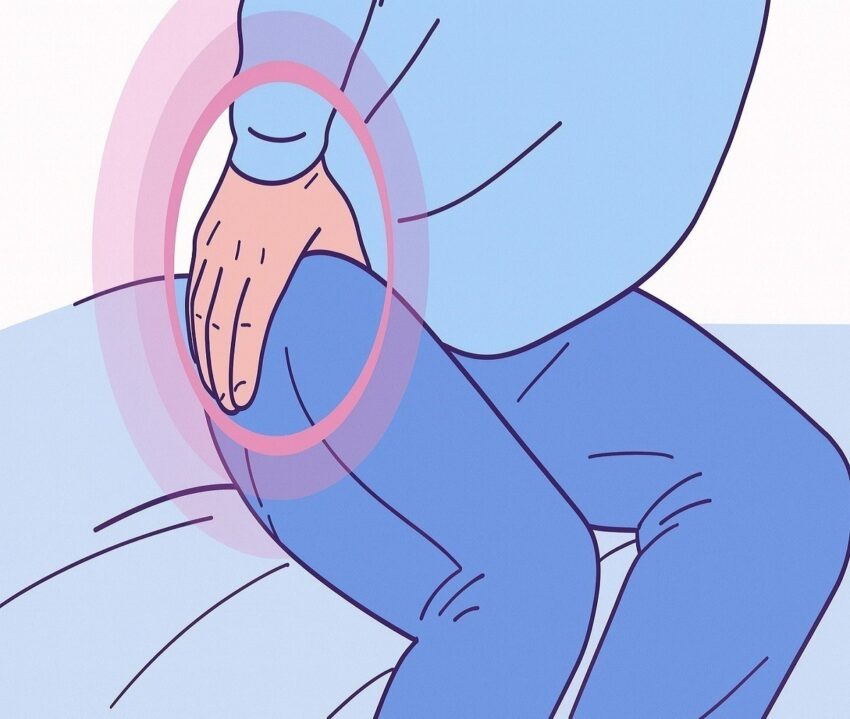
That kind of post is a clickbait setup. “Hip pain means…” is almost never a single clear diagnosis—hip pain has many possible causes, and the meaning depends on age, activity, and symptoms.
Here are the real, common reasons for hip pain:
1) Joint wear and tear (most common in older adults)
- Often due to Osteoarthritis
- Cartilage gradually thins
- Pain is usually worse with walking, climbing stairs, or after sitting
2) Muscle or tendon strain
- Overuse from walking, exercise, or sudden movement
- Pain may feel sharp or localized
- Often improves with rest
3) Bursitis (inflammation around the joint)
- Inflammation of fluid-filled sacs near the hip
- Pain when lying on the affected side
- Common in middle-aged and older adults
4) Lower back or nerve-related pain
- Pain may “radiate” into the hip
- Can be linked to spinal issues or nerve compression
5) Injury or overuse
- Falls, sports, or repetitive movement
- May involve muscles, ligaments, or the joint itself
6) Less common causes
- Rheumatoid arthritis
- Hip fractures (especially in older adults)
- Hip labral tears
Important reality check
Hip pain is a symptom, not a diagnosis. There is no single “clear sign” it always means something specific.
When to take it seriously
Seek medical advice if:
- Pain lasts more than a few weeks
- You have trouble walking or bearing weight
- Pain is severe or worsening
- There is swelling, redness, or fever
- It started after a fall
Bottom line
Hip pain usually comes from mechanical wear (like osteoarthritis), muscle strain, or inflammation—not a single hidden condition.
If you want, tell me:
- where exactly the pain is (front, side, buttock)
- when it happens (walking, lying down, morning)
and I can narrow down the most likely cause for your specific case.
