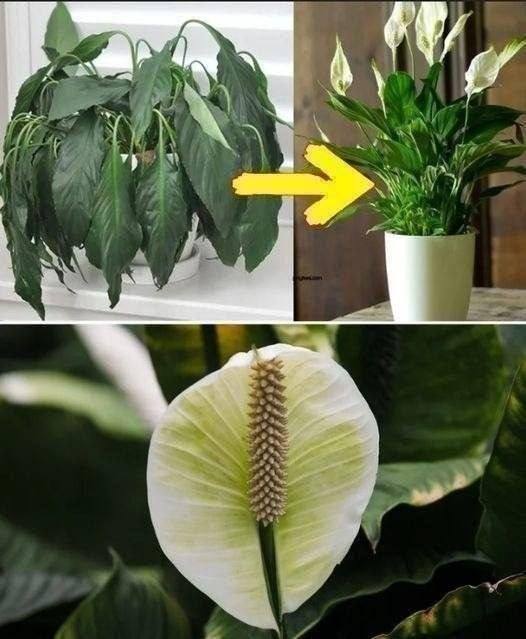
That headline is deliberately vague. “Place a tablespoon on any plant” only makes sense once you know what the tablespoon contains—and different substances can help, do nothing, or even harm the plant.
Let’s break down what these viral posts usually mean and what actually happens.
🌱 If it’s compost or soil amendment
(e.g., compost, worm castings)
- Can slowly improve soil nutrients
- Supports healthier root growth over time
👉 Result: real benefit, but gradual—not instant
☕ If it’s coffee grounds
- Adds small amounts of nitrogen
- Can improve soil structure when composted
👉 But directly on soil: may compact or mold
👉 Result: minor benefit if used correctly
🍌 If it’s banana peel (or banana water)
- Contains potassium and small nutrients
- Must break down first to be useful
👉 Result: slow, indirect improvement
🍬 If it’s sugar or sugary water (common viral myth)
- Plants cannot use sugar this way
- Can feed bacteria and fungi in soil
👉 Result: often harmful, not helpful
🍋 If it’s vinegar or lemon
- Too acidic for most plants
- Can damage roots and soil balance
👉 Result: plant stress or harm
🧪 If it’s fertilizer (the only meaningful case)
- A tablespoon of diluted fertilizer can help growth
- Must be properly formulated and timed
👉 Result: effective only when used correctly
🌿 Key truth
There is no universal “tablespoon trick” that works for all plants. The effect depends entirely on the substance and the plant type.
🌞 What actually matters for plant health
- Light (most important factor)
- Proper watering
- Good soil drainage
- Appropriate fertilizing schedule
🧠 Bottom line
A “tablespoon on a plant” is not a magic hack. It can be:
- Helpful (fertilizer/compost)
- Neutral (some organic matter)
- Harmful (sugar, vinegar, lemon)
If you want, tell me what plant you have (orchid, snake plant, pothos, etc.), and I can give you the one care step that actually makes that specific plant thrive.
