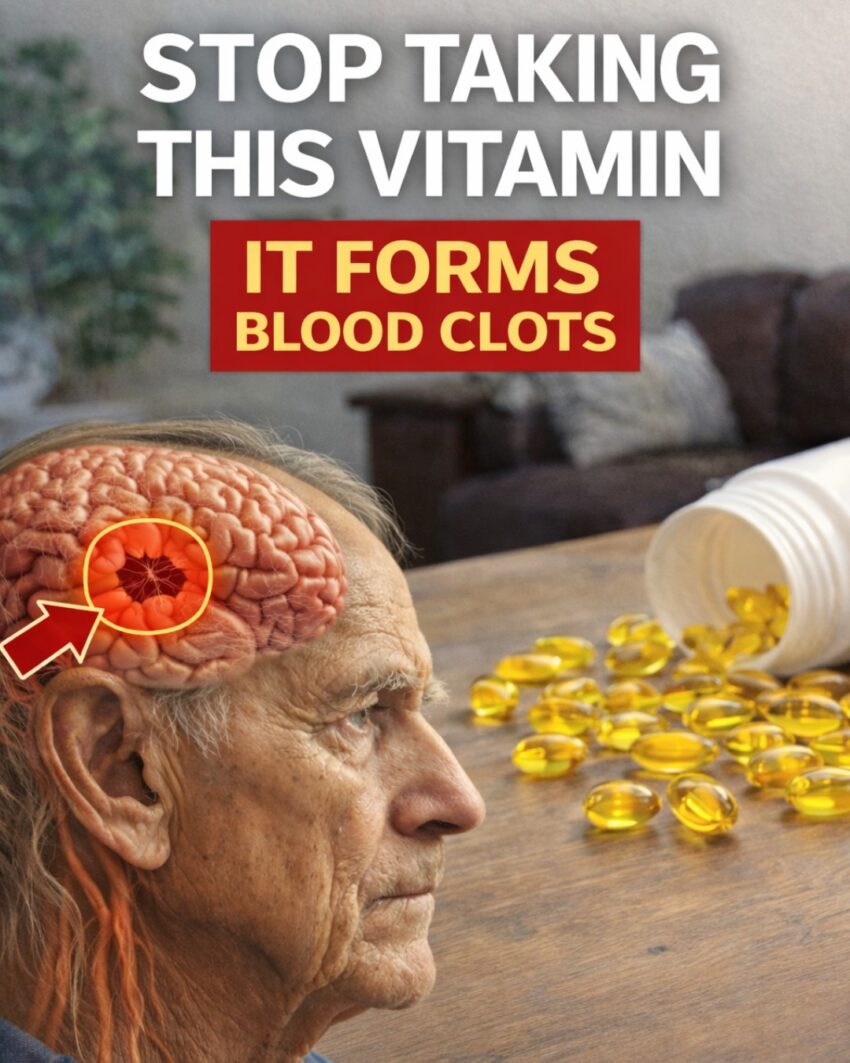
That headline is designed to sound alarming, but it’s usually clickbait unless it’s referring to a very specific situation, dose, or population.
There is no general “common vitamin supplement” that suddenly increases stroke risk in seniors when used appropriately. What matters is which supplement, how much, and the person’s health condition.
🧠 What “brain doctors” are usually actually talking about
Most legitimate concerns involve overuse or specific supplements, not normal vitamin intake.
Here are the main ones:
⚠️ 1. Vitamin E (high doses)
Vitamin E
- Very high doses (not normal dietary amounts) have been linked in some studies to a slightly increased risk of bleeding stroke (hemorrhagic stroke)
- Risk mainly appears with high-dose supplements, not food sources
⚠️ 2. Vitamin D (excessive dosing)
Vitamin D
- Normal doses are safe and often beneficial
- Excess can cause high calcium levels, which may stress blood vessels and kidneys indirectly
- Stroke risk is not clearly proven, but misuse is a concern
⚠️ 3. Calcium supplements (context-dependent)
- Some studies suggest a possible link between high supplemental calcium (not dietary calcium) and cardiovascular risk in certain groups
- Evidence is mixed
⚠️ 4. Vitamin B6/B12/folate (deficiency vs excess confusion)
- Low levels of B vitamins are linked with vascular risk
- Supplementation in normal doses is generally safe
- No clear evidence they increase stroke risk
🧠 The key misunderstanding in viral posts
They often:
- Take a small or uncertain study
- Ignore dosage and context
- Turn it into “this supplement causes stroke”
That’s not how medical evidence works.
🚨 What actually matters for stroke risk in seniors
Far more important than vitamins:
- High blood pressure
- Diabetes
- Smoking
- Atrial fibrillation
- High cholesterol
- Physical inactivity
🧾 Bottom line
There is no common vitamin that meaningfully increases stroke risk when used correctly. Concerns mainly involve high-dose fat-soluble supplements like Vitamin E, and even then the risk is context-specific, not universal.
If you want, I can break down which supplements are actually beneficial vs unnecessary for seniors, so you can separate real medical advice from fear-based headlines.
