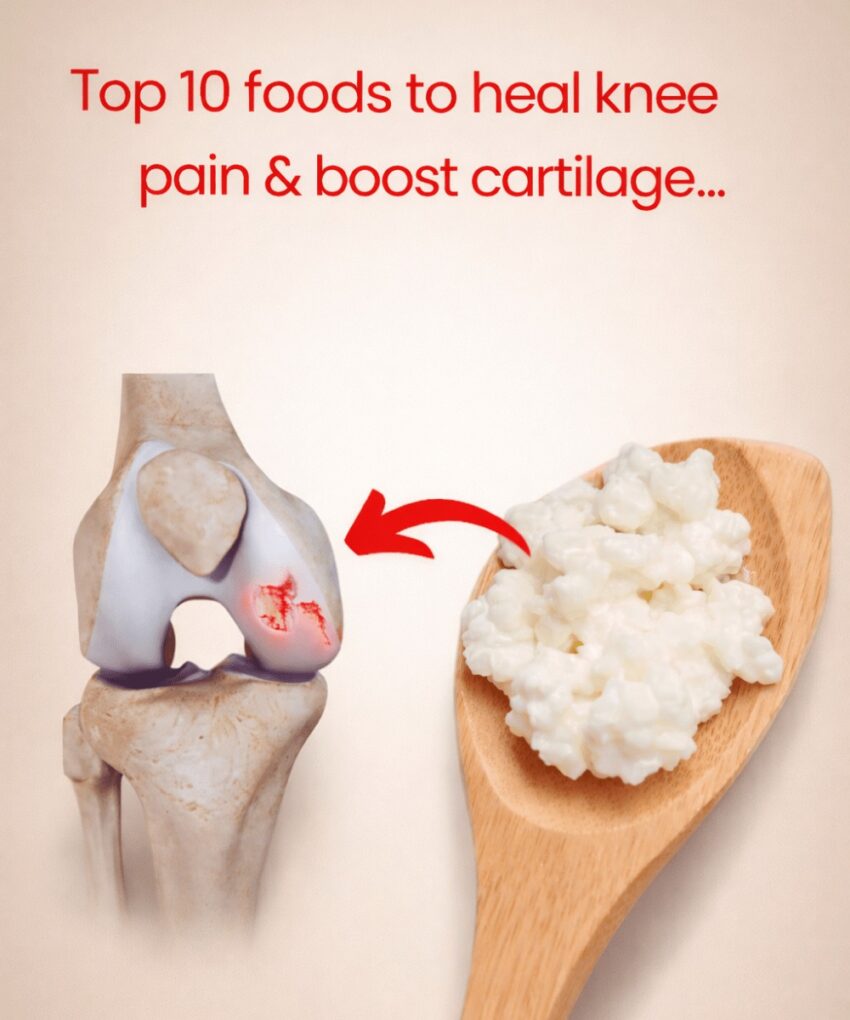
The phrase “foods to heal knee pain and boost cartilage” is overstated. No food can directly “regrow” worn knee cartilage in a reliable or medical sense. Conditions like knee pain from osteoarthritis (Osteoarthritis) are influenced by inflammation, weight, activity level, and joint wear—not a single diet fix.
That said, certain foods can support joint health, reduce inflammation, and help symptoms feel better over time. Here are 10 evidence-supported options often recommended in a joint-friendly diet:
1. Fatty fish (salmon, sardines)
Rich in omega-3 fatty acids, which help reduce inflammation in joints.
2. Turmeric
Contains curcumin, a compound studied for mild anti-inflammatory effects in joint pain.
3. Ginger
May help reduce inflammatory markers and ease pain in some people with arthritis.
4. Leafy greens (spinach, kale)
High in antioxidants, vitamin K, and compounds that support overall joint health.
5. Berries (blueberries, strawberries)
Packed with antioxidants that help reduce oxidative stress in the body.
6. Olive oil
Contains healthy fats and polyphenols that may help reduce inflammation.
7. Nuts (walnuts, almonds)
Provide omega-3s, vitamin E, and healthy fats that support joint tissues.
8. Garlic
Contains sulfur compounds that may have mild anti-inflammatory effects.
9. Beans and lentils
High in fiber and plant-based protein, which can help reduce inflammation linked to excess weight and metabolic stress on joints.
10. Bone broth
Contains collagen, gelatin, and amino acids—but evidence that it directly rebuilds human cartilage is limited.
Important reality check
- Cartilage damage is not easily reversed by diet alone.
- Food can support symptom management, not “repair” worn joints like a medicine or surgery.
- The strongest evidence for protecting knees is:
- Maintaining a healthy weight
- Regular low-impact exercise (like walking, swimming, cycling)
- Strengthening thigh and hip muscles
Bottom line
A joint-friendly diet can reduce inflammation and improve comfort, but claims about “healing cartilage” are mostly marketing language, not clinical fact.
If you want, I can also break down which supplements actually have some evidence for knee pain vs those that are mostly hype.
