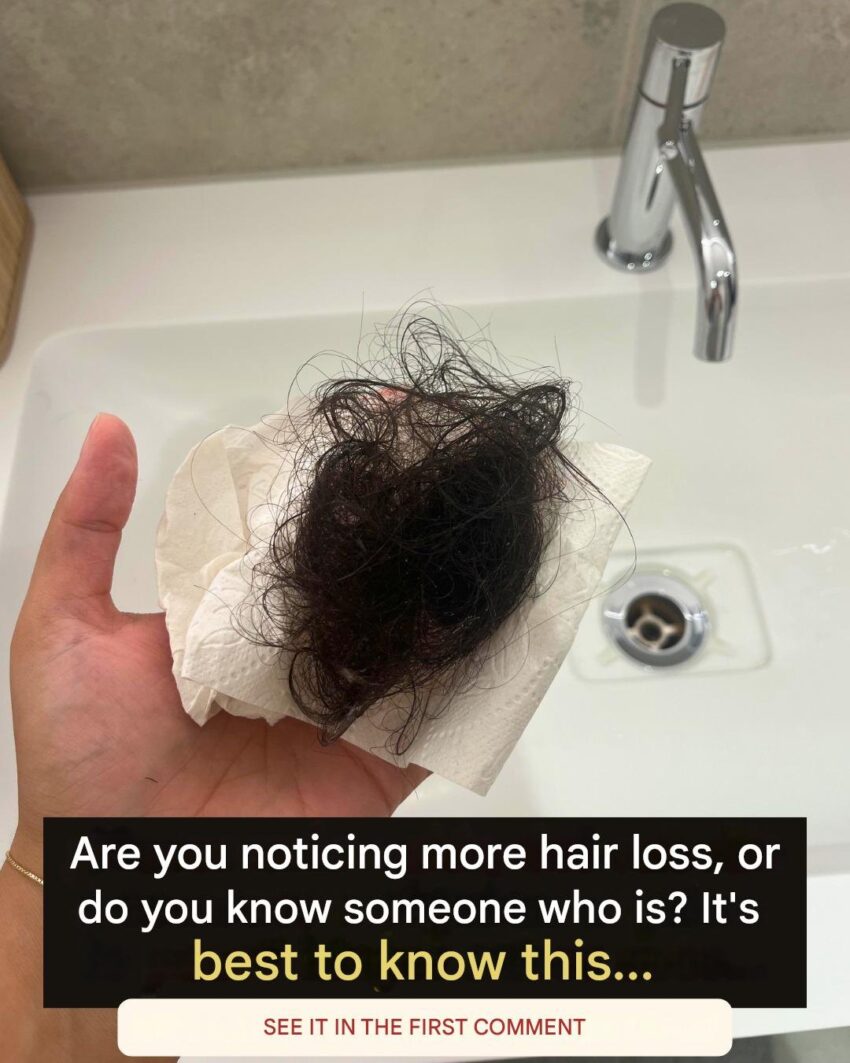
That “Did you know…” line is a classic clickbait hook, and it’s intentionally left incomplete to push you to click.
Hair loss can be linked to many different things, but it is rarely tied to one mysterious condition. The most common real causes include:
Common causes of hair shedding or thinning
- Genetics (androgenetic alopecia) – the most common cause in both men and women
- Stress or illness (called telogen effluvium), where hair sheds temporarily after physical or emotional stress
- Nutrient deficiencies – especially low iron, vitamin D, or protein
- Hormonal changes – such as thyroid disorders or postpartum changes (Hypothyroidism is a well-known example that can contribute to hair thinning)
- Medications – some blood pressure drugs, antidepressants, or chemotherapy
- Scalp conditions – dandruff, fungal infections, or inflammation
Important reality check
Hair loss is a symptom, not a diagnosis by itself. The same symptom can come from something mild (stress, diet) or something medical that needs treatment (thyroid imbalance, anemia, autoimmune conditions).
When it’s worth checking with a doctor
It’s a good idea to get evaluated if:
- Hair loss is sudden or rapid
- You see patchy bald spots
- You also have fatigue, weight changes, or skin/nail changes
- It continues for more than a few months
Bottom line
There is no single dramatic hidden disease implied by that “See more…” post. Most hair loss is common, explainable, and often treatable once the cause is identified.
If you want, I can break down what type of hair loss you might have based on symptoms or what actually helps regrow hair in different cases.
