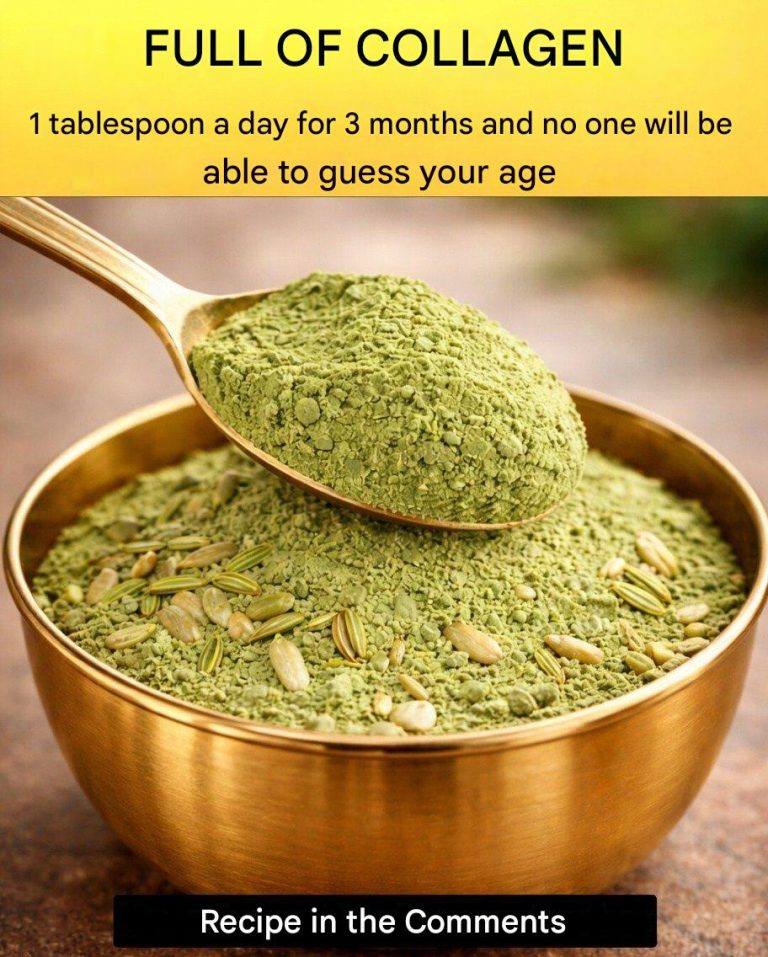
“Natural collagen powder” is a popular wellness product, but the marketing often oversells what it actually does.
Here’s the reality in a clear, evidence-based way.
🧬 What collagen actually is
Collagen is a protein that forms:
- Skin structure
- Hair and nails
- Joints and connective tissue
As we age, natural collagen production declines, which contributes to wrinkles and joint stiffness.
🥤 What collagen powder really does
Collagen powders are usually hydrolyzed collagen peptides, meaning:
- The protein is broken into smaller amino acids
- Your body digests it like any other protein
Possible benefits (moderate evidence):
- Slight improvement in skin hydration and elasticity
- Small reduction in joint discomfort in some people
- May support hair and nail strength in certain cases
🧠 Important truth most ads skip
When you eat collagen powder:
- Your body does NOT send it directly to your skin
- It is broken down into amino acids first
- Then your body decides where to use those nutrients
So it’s not “instant beauty protein for skin.”
⚠️ Limitations
- Results are usually mild, not dramatic
- Works best when combined with:
- Adequate protein intake
- Vitamin C (needed for collagen formation)
- Sun protection (very important for skin aging)
- Not a replacement for a healthy diet or skincare
🚫 What it does NOT do
- ❌ Doesn’t erase wrinkles
- ❌ Doesn’t reverse aging
- ❌ Doesn’t replace medical treatment for skin or joint disease
🧾 Bottom line
Collagen powder is a protein supplement with modest potential skin and joint benefits, not a “natural beauty miracle.” Its effects depend heavily on overall nutrition and lifestyle.
If you want, I can compare collagen powder vs eating protein-rich foods (like eggs, fish, and bone broth) so you can see what’s actually more effective and cost-efficient.
