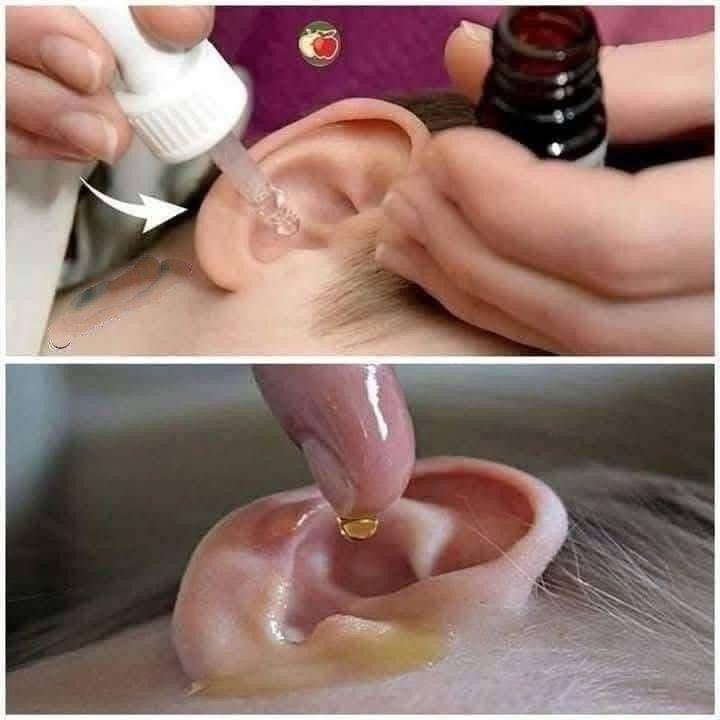
That claim is also misleading and potentially risky.
Putting “two drops in your ear to regain hearing” is usually referring (implicitly) to clove oil or similar home remedies, but it is not a treatment for hearing loss.
Here’s what’s actually true:
What ear drops can do (in specific cases)
Some medically approved ear drops can help with:
- Earwax blockage (cerumen impaction)
- Outer ear infections (otitis externa)
- Temporary ear canal inflammation
If hearing loss is caused by a wax blockage, properly designed drops may help soften and remove the wax—but even then, not “instantly” and not always safely at home.
What ear drops CANNOT do
They do not restore hearing caused by:
- Age-related hearing loss
- Inner ear damage
- Nerve damage
- Long-term infections
- Noise-induced hearing loss
Those conditions involve the inner ear or auditory nerve, and drops cannot repair that.
Why putting random oils (like clove oil) in the ear is risky
- Can irritate or burn the ear canal
- May worsen inflammation or infection
- Can be harmful if the eardrum is perforated
- May delay proper treatment for real hearing problems
Bottom line
If someone’s hearing has changed, the cause matters. Sometimes it’s simple (wax), but often it needs proper evaluation by a clinician or audiologist—not home remedies.
If you want, tell me what kind of hearing issue you’re thinking about (muffled hearing, ringing, sudden loss, etc.), and I’ll explain what usually causes it and what actually helps.
