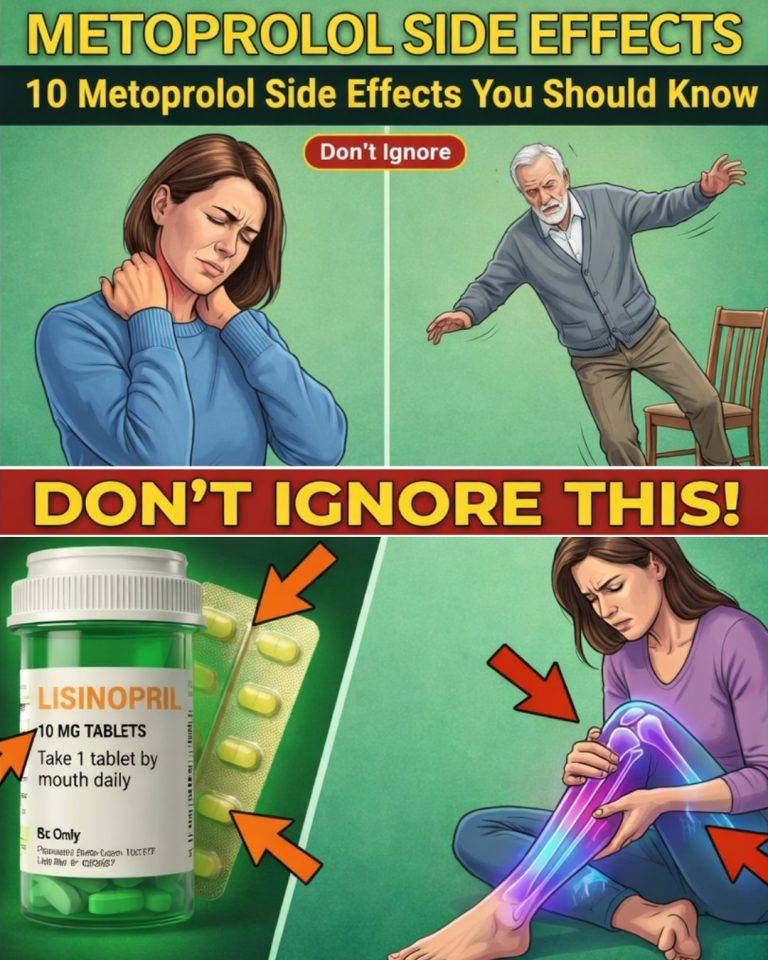
Metoprolol is a widely used beta-blocker prescribed for high blood pressure, angina, heart rhythm problems, and after heart attacks. While its common side effects (like fatigue or slow heart rate) are well known, there are several less-discussed effects that people often don’t connect to the medication.
Here are 10 overlooked side effects worth understanding:
1. Emotional blunting or low mood
Some people report feeling emotionally “flat,” less motivated, or mildly depressed. This isn’t universal, but beta-blockers can influence stress hormones and brain signaling.
2. Vivid dreams or sleep disturbances
Metoprolol can cross into the brain in some people, leading to unusually vivid dreams, insomnia, or frequent nighttime waking.
3. Sexual dysfunction
Reduced libido or difficulty with arousal/erection is underreported but relatively common, especially with long-term use.
4. Cold hands and feet
By reducing heart output and peripheral circulation, it can make extremities feel persistently cold—even in warm weather.
5. Subtle exercise intolerance
People often notice they “can’t push as hard” during physical activity. The heart rate doesn’t rise normally, so workouts feel harder than expected.
6. Masking low blood sugar symptoms
In people with diabetes, it can hide early warning signs of hypoglycemia (like rapid heartbeat), making low blood sugar harder to detect.
7. Weight gain (gradual and mild)
Not dramatic, but some users experience slow weight increase due to reduced metabolism and fatigue-related activity changes.
8. Dizziness or brain fog
Lower blood pressure and slower heart rate can sometimes reduce cerebral blood flow slightly, causing lightheadedness or reduced mental sharpness.
9. Worsening of asthma or breathing issues
In sensitive individuals, especially those with reactive airways, beta-blockers can trigger bronchospasm or mild shortness of breath.
10. Rebound effects if stopped suddenly
Abrupt discontinuation can cause rapid heart rate spikes, elevated blood pressure, or even chest pain—because the body has adapted to the drug.
A key takeaway
Most people tolerate Metoprolol well, and for many, its benefits are life-saving. The important issue isn’t that these side effects happen to everyone—it’s that they’re often subtle, gradual, or mistaken for unrelated health issues.
If someone notices mood changes, unusual fatigue, breathing changes, or sexual side effects after starting it, it’s worth discussing with a clinician rather than ignoring them or stopping the medication abruptly.
If you want, I can also break down how metoprolol compares with other beta-blockers in terms of side effects and brain-related effects.
