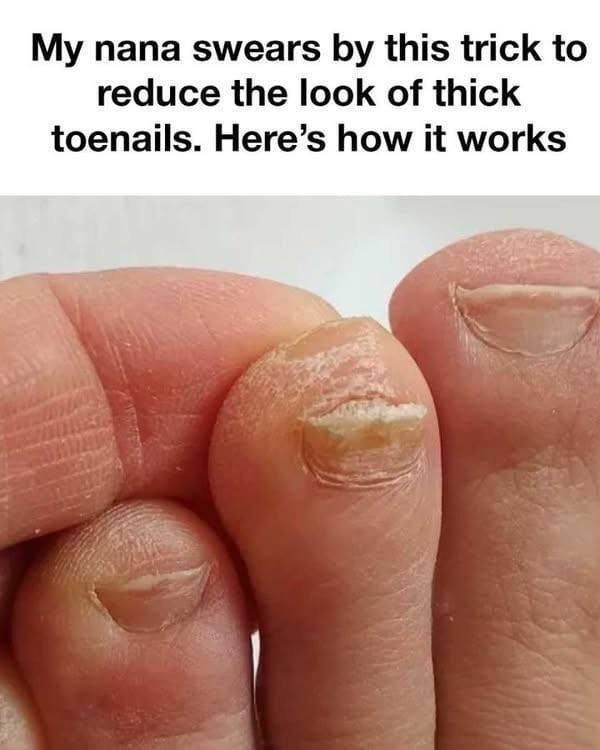
Thick toenails are a common problem, and they usually develop gradually. They can look yellow, brittle, distorted, or much thicker than normal. Sometimes it’s just a cosmetic issue, but in other cases it can signal an underlying condition.
Common causes of thick toenails
One of the most frequent causes is a fungal infection of the nail, known medically as onychomycosis. This happens when fungi enter the nail through small cracks or breaks, often thriving in warm, moist environments like shoes or public showers. Over time, the nail becomes thick, discolored, and crumbly.
Other possible causes include:
- Repeated trauma or pressure (tight shoes, running, or toe injuries)
- Aging, which naturally slows nail growth and thickens nails
- Poor circulation, often seen in conditions like diabetes or peripheral vascular disease
- Skin conditions such as psoriasis or eczema affecting the nails
- Long-term neglect of nail care, allowing debris and buildup under the nail
When it becomes a concern
Thick toenails aren’t always dangerous, but they should be taken seriously when they:
- Become painful or make walking uncomfortable
- Show yellow, brown, or green discoloration
- Start crumbling or separating from the nail bed
- Develop a bad smell or signs of infection (redness, swelling, pus)
- Occur in people with diabetes or immune system problems (higher risk of complications)
In particular, fungal nail infections like onychomycosis tend to worsen over time if untreated and can spread to other nails or even the skin (athlete’s foot).
What you can do
- Keep feet clean and dry
- Trim nails straight across and avoid cutting too short
- Wear breathable shoes and moisture-wicking socks
- Avoid walking barefoot in public showers or locker rooms
- Don’t ignore persistent changes—early treatment works better
For stubborn or worsening cases, doctors may use prescription antifungal medications (topical or oral), or in some cases, remove part of the nail.
Bottom line
Thick toenails are often harmless at first, but they can be a sign of fungal infection or other health issues. If changes are persistent, spreading, or painful, it’s worth getting them checked so the cause can be properly treated.
If you want, I can help you figure out whether your specific nail changes sound more like fungus, trauma, or something else.
