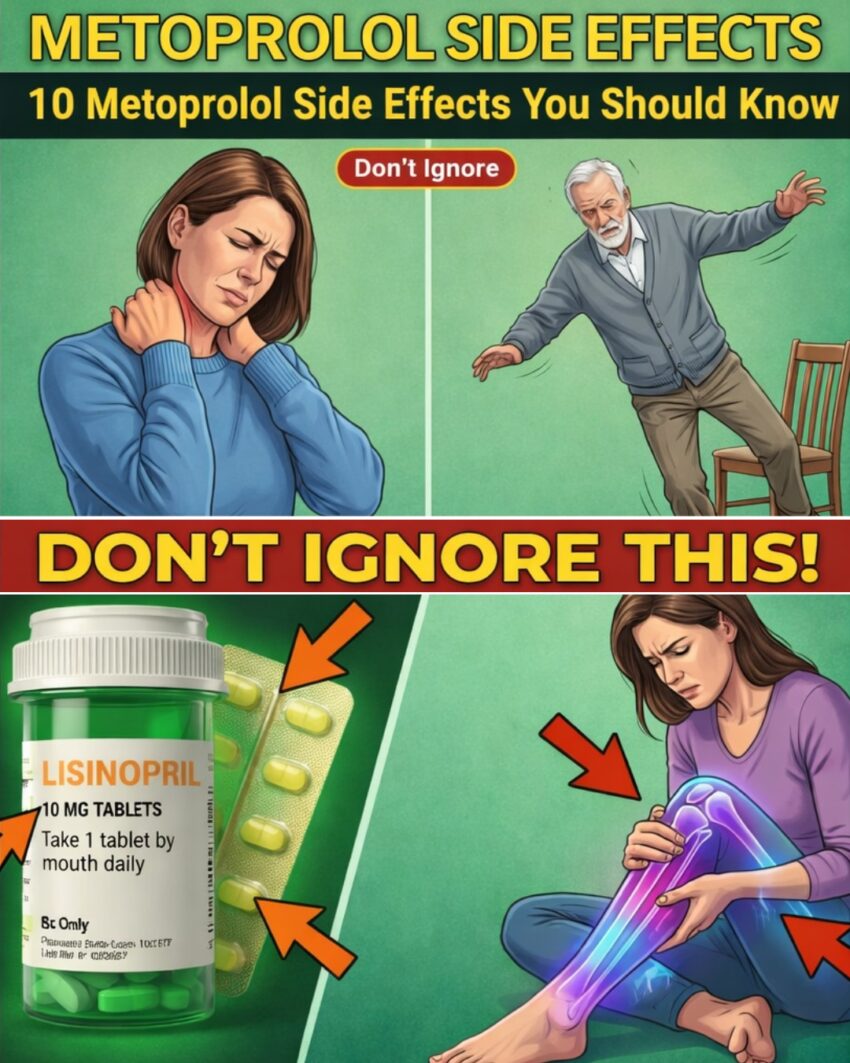
Metoprolol is a widely prescribed beta-blocker used for conditions like high blood pressure, chest pain (angina), certain arrhythmias, and sometimes after heart attacks. While most people are familiar with common effects such as fatigue or slower heart rate, there are several less-discussed side effects that often get overlooked in routine conversations between patients and clinicians.
Below are 10 of those lesser-known or underappreciated effects worth understanding:
1. Subtle Mood Changes (Including Low Mood or Emotional “Blunting”)
Some people notice a flattening of emotions—less excitement, reduced motivation, or mild depressive symptoms. This isn’t universal, but it can be gradual and easy to miss.
2. Sleep Disturbances and Vivid Dreams
Metoprolol can cross into the brain in small amounts, which may lead to unusual dreams, nightmares, or fragmented sleep patterns in some individuals.
3. Reduced Exercise Tolerance Beyond Expected Levels
Because it slows heart rate, people sometimes feel “out of shape” even when they aren’t. What’s less recognized is the lingering sense of reduced stamina even after the body adapts.
4. Cold Hands and Feet (Peripheral Circulation Changes)
A drop in peripheral circulation can cause persistent coldness or numbness in extremities, sometimes mistaken for poor environmental adaptation rather than medication effect.
5. Sexual Dysfunction
Decreased libido, erectile difficulties, or reduced arousal can occur. This is underreported because many patients hesitate to mention it.
6. Mild Cognitive Slowing or “Brain Fog”
Some users describe slower thinking, reduced mental sharpness, or difficulty concentrating—especially during dose adjustments or higher doses.
7. Blood Sugar Masking in Diabetics
In people with Diabetes mellitus, metoprolol can hide early warning signs of low blood sugar (like rapid heartbeat), making hypoglycemia harder to detect.
8. Weight Gain or Difficulty Losing Weight
Not a dramatic effect for everyone, but metabolic slowdown and reduced activity tolerance can contribute to gradual weight changes.
9. Gastrointestinal Discomfort
Less commonly discussed symptoms include nausea, abdominal discomfort, or mild constipation, especially when starting treatment.
10. Rebound Symptoms if Stopped Abruptly
If suddenly discontinued, it can cause a surge in heart rate or blood pressure—sometimes worse than baseline—particularly in people treated for Hypertension or angina. This is why tapering is important under medical supervision.
A Practical Takeaway
Many people tolerate metoprolol well and benefit significantly from it, especially in cardiovascular disease management. However, the “less obvious” effects tend to show up gradually and can be mistaken for unrelated issues like aging, stress, or lifestyle changes.
If any of these symptoms feel noticeable or persistent, it’s usually not a reason to stop the medication on your own—but it is a good reason to discuss dosage or alternatives with a healthcare provider.
