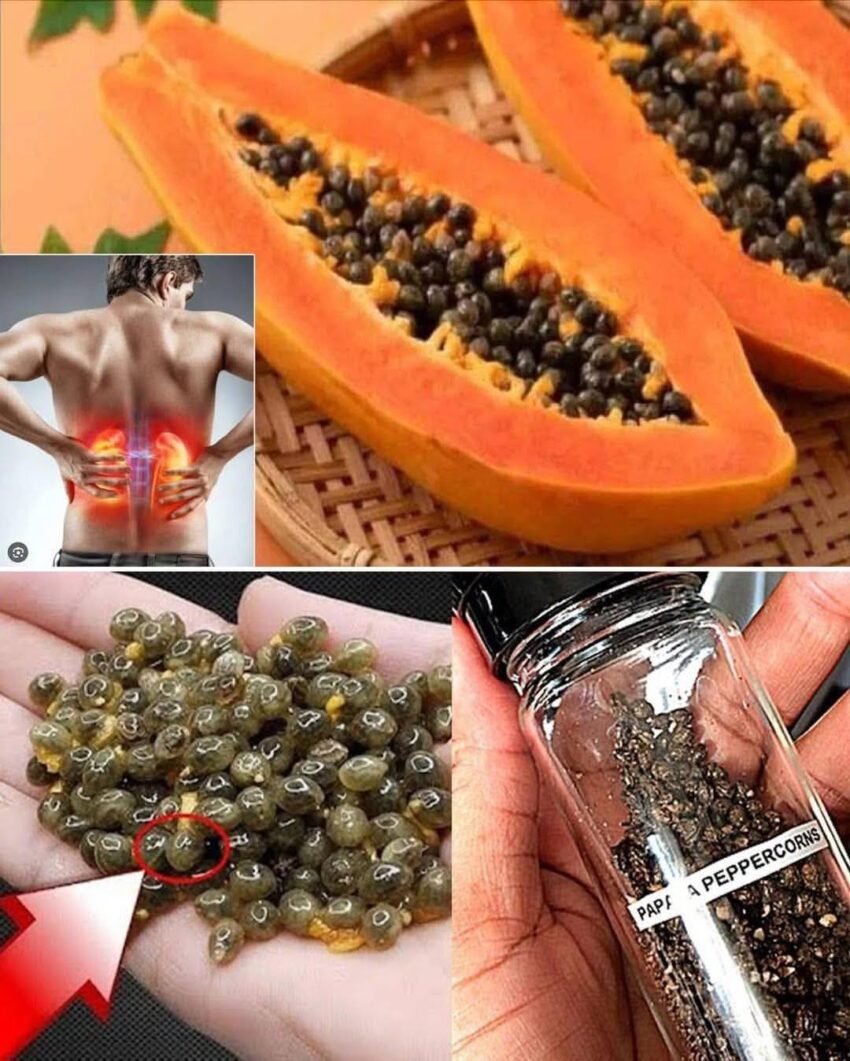
That claim is a bit overstated.
papaya seeds do contain compounds like enzymes (papain) and certain phytochemicals that have been studied for antimicrobial and anti-parasitic effects—but the jump from “interesting in lab or small studies” to “can replace pharmacy medicines” is not supported by solid clinical evidence.
What’s actually true:
- They may have mild anti-parasitic or antimicrobial properties in limited studies
- They contain fiber and antioxidants
- They’ve been used traditionally in some cultures for digestion and gut health
What’s not supported:
- They are not a proven replacement for prescription or over-the-counter medications
- They do not reliably treat infections, parasites, or chronic conditions in humans
- Dosing, safety, and long-term effects are not well established in clinical medicine
Important caution:
Papaya seeds aren’t harmless in large or repeated amounts. They can cause:
- Digestive upset (nausea, diarrhea)
- Potential reproductive toxicity signals in animal studies (not confirmed in humans, but still a caution area)
- Possible interactions if someone is already on medication or has chronic illness
Bottom line:
Papaya seeds might be an interesting supplementary food item, but they are not a substitute for evidence-based medical treatment—and relying on them instead of appropriate care could actually cost more in health outcomes, not less in pharmacy bills.
If you want, I can go over which “natural remedies” actually have decent clinical evidence behind them and which are mostly internet myths.
