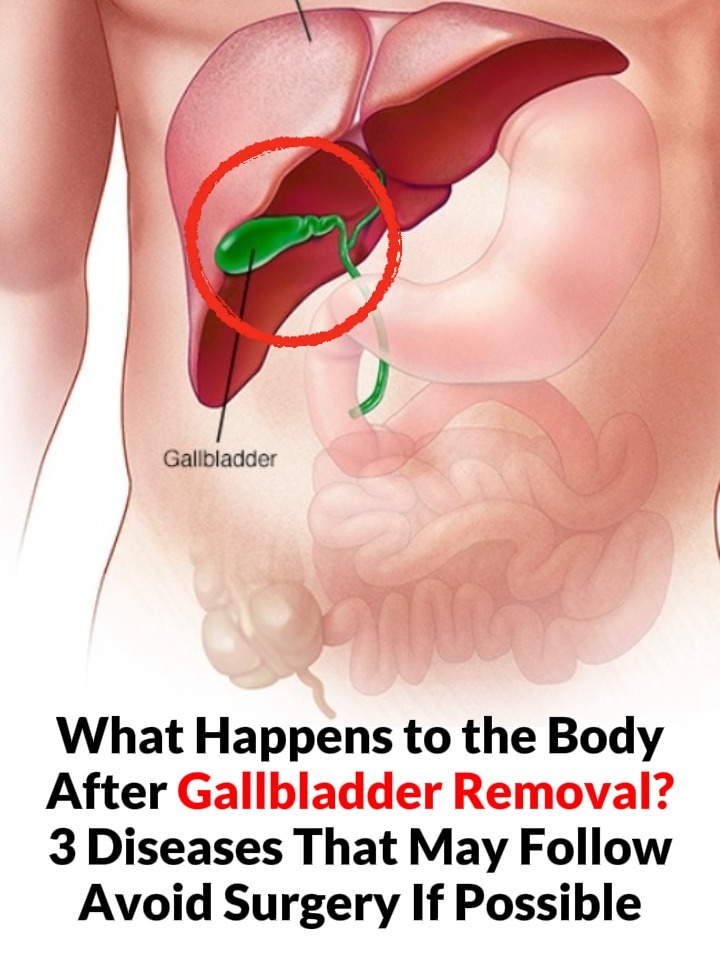
Gallbladder removal (cholecystectomy) is actually one of the most common abdominal surgeries worldwide, and for most people it’s safe and life-improving when done for the right reasons (like symptomatic gallstones or gallbladder inflammation).
That said, the body does adjust afterward, and a small number of people develop ongoing digestive issues. Let’s break it down clearly and realistically.
What changes after gallbladder removal?
The gallbladder’s job is to store and concentrate bile (a digestive fluid made by the liver). After removal:
- Bile no longer gets stored
- It flows continuously into the small intestine
- Fat digestion still happens, but less “controlled”
Most people adapt within weeks to months without major problems.
Possible issues after surgery (often misunderstood as “diseases”)
1. Postcholecystectomy syndrome
This is a broad term, not a single disease.
Symptoms may include:
- Bloating
- Indigestion
- Abdominal discomfort
- Nausea
- Fat intolerance
Why it happens:
- Changes in bile flow
- Sometimes unrelated issues (like IBS or gastritis) that were already present
👉 Important: This does not happen to most patients long-term.
2. Bile acid diarrhea (bile acid malabsorption)
This is one of the more recognized true effects.
What happens:
- Excess bile enters the intestines
- It can irritate the colon
- Leads to frequent, loose stools—especially after fatty meals
Treatment:
- Dietary fat adjustment
- Medications that bind bile acids (like cholestyramine)
3. Gastritis or bile reflux (less common)
Some people develop irritation in the stomach or upper digestive tract.
Symptoms:
- Burning in upper abdomen
- Nausea
- Bitter taste in mouth (in bile reflux cases)
Cause:
- Altered bile flow affecting stomach/duodenum balance
Important reality check: “Avoid surgery if possible”
This part needs correction.
Gallbladder surgery is not optional advice-based medicine—it’s based on medical necessity.
Doctors usually recommend surgery when:
- Gallstones cause repeated pain
- There is infection (cholecystitis)
- There is blockage of bile ducts
- There is pancreatitis caused by gallstones
If these conditions are left untreated, risks can include:
- Severe infection
- Gallbladder rupture
- Pancreatitis (which can be dangerous)
👉 So the goal is not “avoid surgery at all costs,” but avoid unnecessary surgery when it is truly not needed.
Bottom line
- Most people live completely normal lives after gallbladder removal
- A minority experience digestive changes like diarrhea or bloating
- Serious long-term “diseases” are uncommon and usually manageable
- Surgery is generally recommended only when the gallbladder is already causing harm
If you want, I can also explain:
- Natural ways to reduce gallstone symptoms before surgery (when safe)
- What diet helps after gallbladder removal
- Or how doctors decide exactly when surgery is necessary
