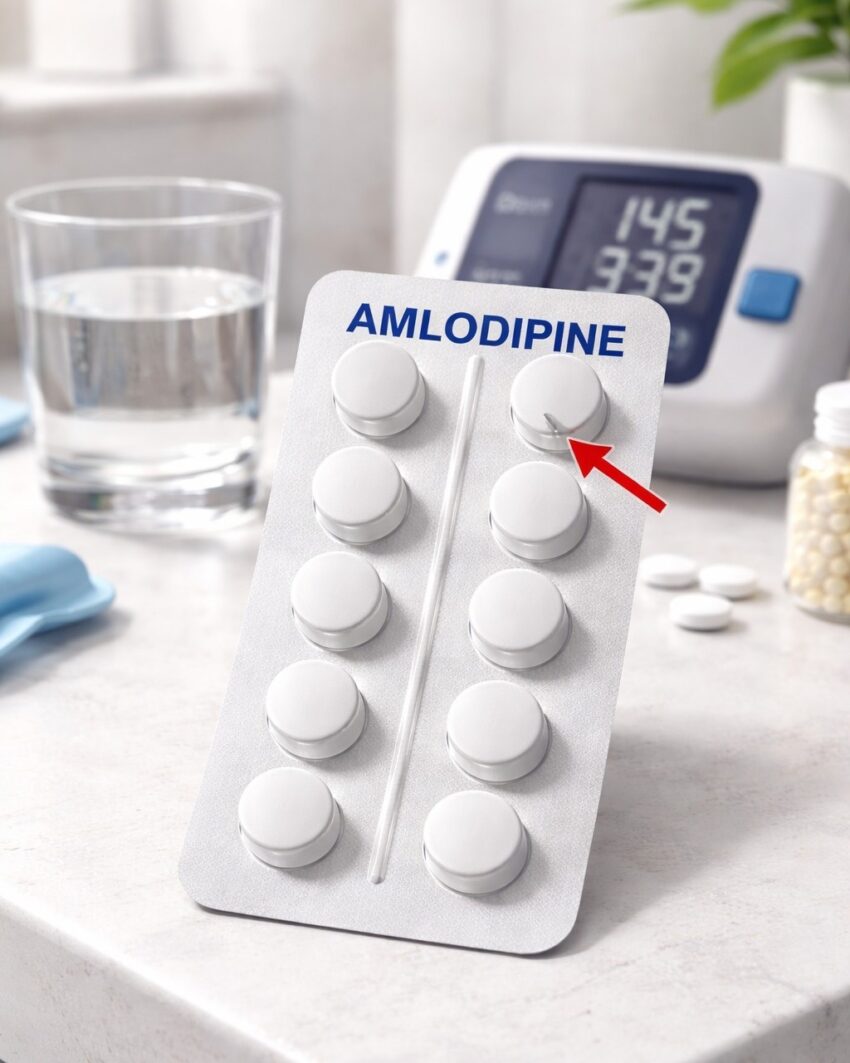
If you’re taking Amlodipine (commonly prescribed for high blood pressure or angina), some everyday habits can reduce its effectiveness or increase side effects. Not all of these are “must quit immediately,” but they’re worth correcting.
1. Eating too much salt
High sodium intake directly counteracts what amlodipine is trying to do—lower your blood pressure.
Why it matters: You may not get the full benefit of the medication, and swelling (a common side effect) can worsen.
2. Skipping doses or taking it inconsistently
Amlodipine works best when levels in your body stay stable.
Why it matters: Irregular use can lead to blood pressure fluctuations, increasing strain on your heart.
3. Drinking excessive alcohol
Alcohol can amplify the blood-pressure-lowering effect.
Why it matters: This can cause dizziness, fainting, or a dangerous drop in blood pressure.
4. Ignoring leg or ankle swelling
A common side effect is fluid buildup in the lower legs.
Why it matters: While mild swelling is common, worsening edema may need dose adjustment or a different medication.
5. Eating large amounts of grapefruit
Grapefruit can interfere with how certain drugs are metabolized.
Why it matters: It may increase amlodipine levels in your blood, raising the risk of side effects like low blood pressure or swelling.
6. Sudden intense exercise without adjustment
Exercise is good—but going from sedentary to intense activity suddenly can stress your cardiovascular system.
Why it matters: Combined with medication, this may cause lightheadedness or fatigue.
7. Taking over-the-counter meds without checking
Some drugs—like certain cold medicines or NSAIDs—can interfere with blood pressure control.
Why it matters: They may raise blood pressure or reduce amlodipine’s effectiveness.
8. Not monitoring your blood pressure
Relying only on how you feel isn’t enough.
Why it matters: High blood pressure often has no symptoms, so you could miss problems even while on medication.
Bottom line
Amlodipine is generally safe and widely used, but it works best when paired with supportive habits—especially diet, consistency, and awareness of side effects.
If you’re noticing symptoms like persistent swelling, dizziness, or unusual fatigue, it’s worth discussing with your doctor rather than adjusting anything on your own.
