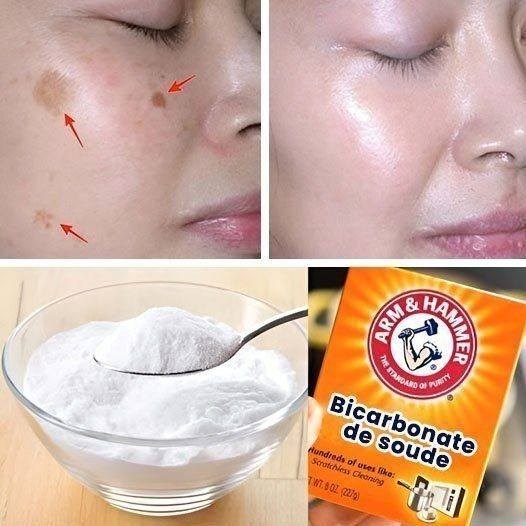
Baking soda is often promoted online as a “quick fix” for skin issues, but using it on your face is actually not a good idea, especially for dark spots, wrinkles, or dark circles.
Why baking soda isn’t safe for facial skin
- Your skin is naturally slightly acidic (pH ~5.5)
- Baking soda is strongly alkaline, which disrupts that balance
- It can cause:
- Irritation and burning
- Dryness and peeling
- Worsening pigmentation over time
- Increased sensitivity (which can make dark spots darker)
So instead of improving skin, it often does the opposite—especially around delicate areas like under the eyes.
Better, safer ways to target your concerns
1) Dark spots (hyperpigmentation)
Better options:
- Vitamin C serum (brightens and evens tone)
- Niacinamide (reduces pigment transfer)
- Sunscreen daily (most important step—prevents dark spots from getting worse)
2) Wrinkles / fine lines
More effective ingredients:
- Retinol (vitamin A derivative) at night
- Hyaluronic acid for hydration and plumping
- Moisturizer with ceramides
Also: sun protection is the #1 anti-aging step.
3) Dark circles
Depends on cause (sleep, genetics, pigmentation, or hollow under eyes):
- Lack of sleep → improve sleep + hydration
- Pigmented circles → vitamin C or niacinamide
- Puffiness → cold compress, caffeine eye creams
- Structural hollowing → skincare helps less; sometimes cosmetic treatments are needed
If you still see baking soda online…
Some people mix it with honey or water as a scrub—but even then:
- It can cause micro-irritation
- Scrubbing under the eyes is especially risky
- Any “instant glow” is usually temporary and comes from irritation, not healing
Bottom line
Baking soda is not recommended for facial skincare, especially for dark circles, wrinkles, or pigmentation. It’s more likely to damage your skin barrier than fix the problem.
If you want, tell me your skin type (oily, dry, sensitive, acne-prone), and I can suggest a simple routine that actually works for dark spots + under-eye circles without expensive products.
