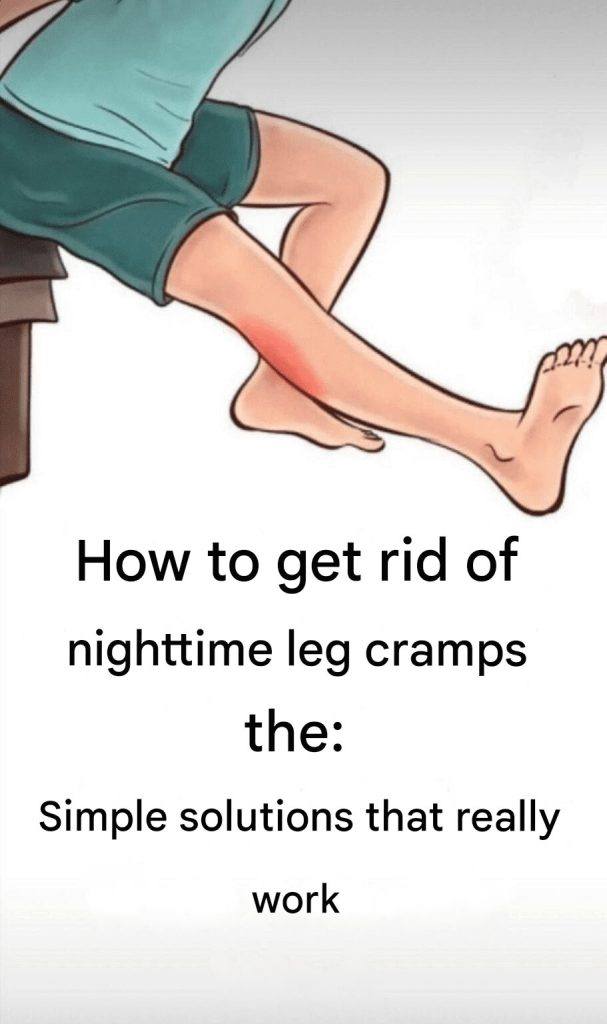
Nighttime leg cramps are common—and frustrating—but most of the time they respond well to a few simple adjustments. Here’s what actually tends to work:
1. Stretch before bed (most effective)
Tight calf muscles are a major trigger. Do a gentle stretch right before sleep:
- Stand facing a wall, step one foot back, keep heel down, and lean forward.
- Hold 20–30 seconds per leg, repeat 2–3 times.
You can also try light movements like calf raises during the day to keep muscles conditioned.
2. Stay well hydrated
Dehydration can contribute to cramps. Make sure you’re drinking enough water throughout the day—especially if it’s hot or you sweat a lot.
3. Check your electrolytes
Low levels of minerals like magnesium, potassium, or calcium can play a role.
- Foods to include: bananas, yogurt, leafy greens, nuts.
- Some people benefit from magnesium supplements (but don’t overdo it—check with a doctor if unsure).
4. Adjust your sleeping position
- Avoid pointing your toes downward while sleeping (this shortens calf muscles).
- Try sleeping on your back with a pillow under your calves, or on your side with knees slightly bent.
5. Massage or warm up the muscles
- Gently massage your calves before bed.
- A warm bath or heating pad relaxes muscles and improves circulation.
6. Wear supportive footwear during the day
Unsupportive shoes can strain your leg muscles and lead to nighttime cramps. Proper arch support helps reduce that load.
7. If a cramp hits at night
Don’t just wait it out:
- Sit up and pull your toes toward your shin.
- Stand and put weight on the leg if possible.
- Massage the muscle until it relaxes.
When to look deeper
If cramps are:
- Very frequent or severe
- Affecting sleep regularly
- Associated with weakness or swelling
…it could be linked to conditions like peripheral artery disease or diabetic neuropathy, or even certain medications.
If you want, tell me your age, activity level, and diet—I can help pinpoint the most likely cause and tailor a fix for you.
