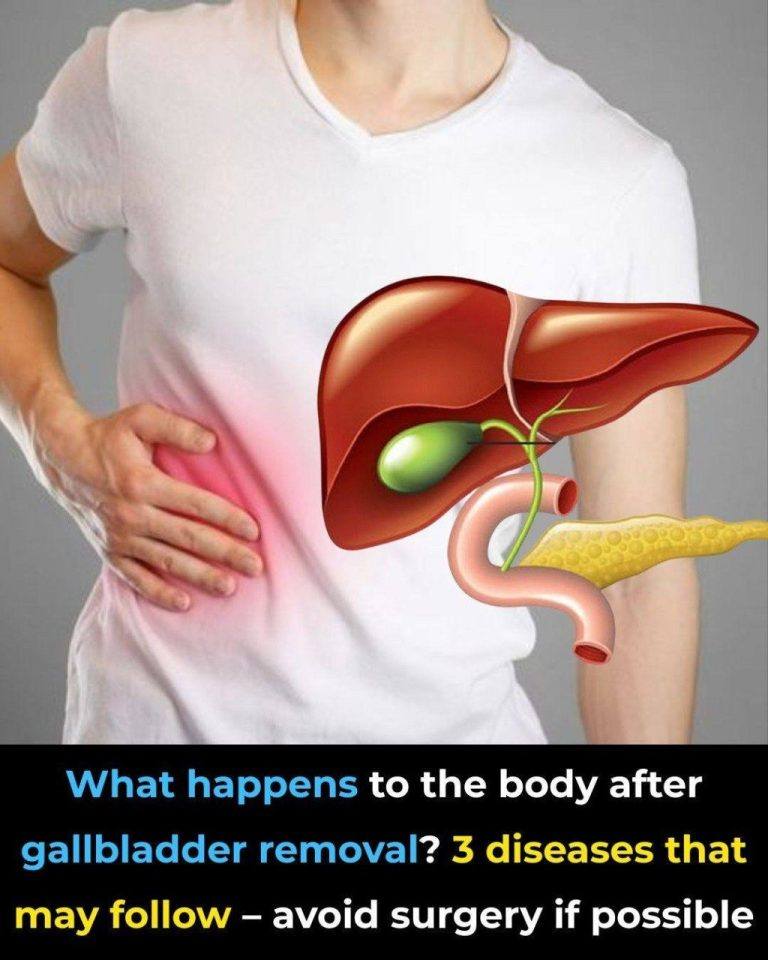
That headline is a bit misleading. cholecystectomy (gallbladder removal) is actually a very common and generally safe procedure. For many people—especially those with painful gallstones or infection—it’s the right treatment, not something to avoid at all costs.
Here’s what really happens and what to watch for:
What changes after gallbladder removal?
The gallbladder stores bile. After surgery, bile flows directly from the liver into the small intestine instead of being released in bursts.
Most people:
- Digest food normally
- Return to regular eating within weeks
- Don’t have long-term problems
Some people notice:
- Mild bloating or loose stools (especially after fatty meals)
- Temporary digestive sensitivity
Conditions that can occur (but aren’t guaranteed)
1. postcholecystectomy syndrome
A small percentage of people get ongoing symptoms like abdominal discomfort, gas, or diarrhea. It’s usually manageable with diet changes or medication.
2. bile acid diarrhea
Without the gallbladder regulating bile release, excess bile can irritate the intestines, causing loose stools. This is treatable if it happens.
3. nonalcoholic fatty liver disease (possible association)
Some studies suggest a higher risk after surgery, but it’s not a direct cause-and-effect. Lifestyle (diet, weight, activity) plays a much bigger role.
Should you “avoid surgery if possible”?
That advice is too simplistic.
- If you have silent or mild gallstones, doctors often monitor first.
- But if you have recurrent pain, inflammation, or complications, delaying surgery can lead to serious problems like infection or pancreatitis.
So the real rule is:
👉 Avoid unnecessary surgery, but don’t avoid needed surgery.
What helps recovery and long-term health
- Eat smaller, lower-fat meals at first
- Gradually reintroduce healthy fats
- Stay active
- Maintain a balanced diet (fiber helps a lot)
If you want, tell me your symptoms or what you’ve been diagnosed with—I can help you figure out whether surgery is typically recommended in your situation or not.
