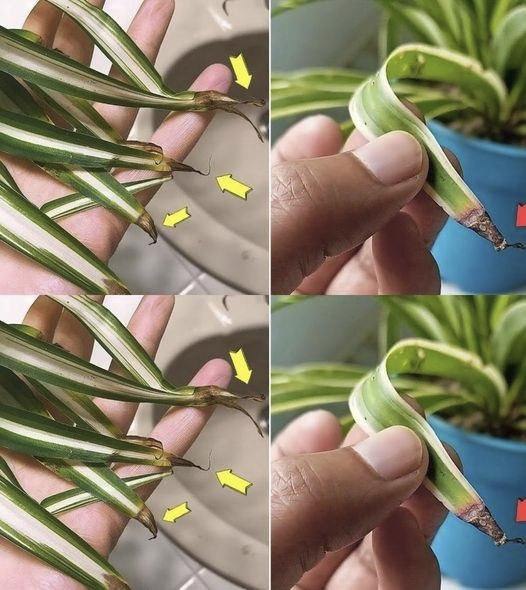
The tips of herbaceous plants (soft-stemmed plants like basil, mint, or houseplants) turn brown for a few common physiological and environmental reasons. This condition is often called “tip burn” or “leaf tip necrosis.”
Here are the main causes:
1) Water stress (most common)
- Underwatering: The plant can’t supply enough water to the leaf edges, so the tips dry out first.
- Irregular watering: Alternating between very dry and very wet conditions stresses fine root hairs.
👉 Result: Cells at the leaf margins die first because they are farthest from water supply.
2) Salt or fertilizer buildup
- Excess fertilizer (especially synthetic ones) leads to salt accumulation in the soil
- These salts draw water out of plant tissues (osmotic stress)
👉 Classic sign: brown, crispy leaf tips even when soil is moist.
3) Low humidity (especially indoor plants)
- Dry air increases transpiration (water loss through leaves)
- Tips dry out faster than the rest of the leaf
👉 Common in air-conditioned or heated rooms.
4) Root problems
- Root damage, root rot, or compacted soil reduces water uptake
- Even if you water correctly, the plant can’t absorb it efficiently
5) Chemical sensitivity
- Some plants are sensitive to:
- Fluoride (tap water in some regions)
- Chlorine or chloramine in water
- Hard water minerals
👉 Can cause gradual browning at leaf tips.
6) Sun or heat stress
- Direct harsh sunlight or hot dry winds can “burn” leaf edges
- The thin tip tissues are the first to dehydrate
7) Natural aging
- Older leaves often start browning at the tips as nutrients are recycled to new growth
How to fix or prevent it
- Water consistently (don’t let soil swing between bone-dry and soggy)
- Flush soil occasionally to remove fertilizer salts
- Use balanced, diluted fertilizer
- Increase humidity for indoor plants (mist, pebble tray, grouping plants)
- Ensure good drainage and healthy roots
- Use filtered or dechlorinated water if needed
If you tell me the specific plant you’re growing, I can narrow it down to the most likely cause and give targeted care steps.
