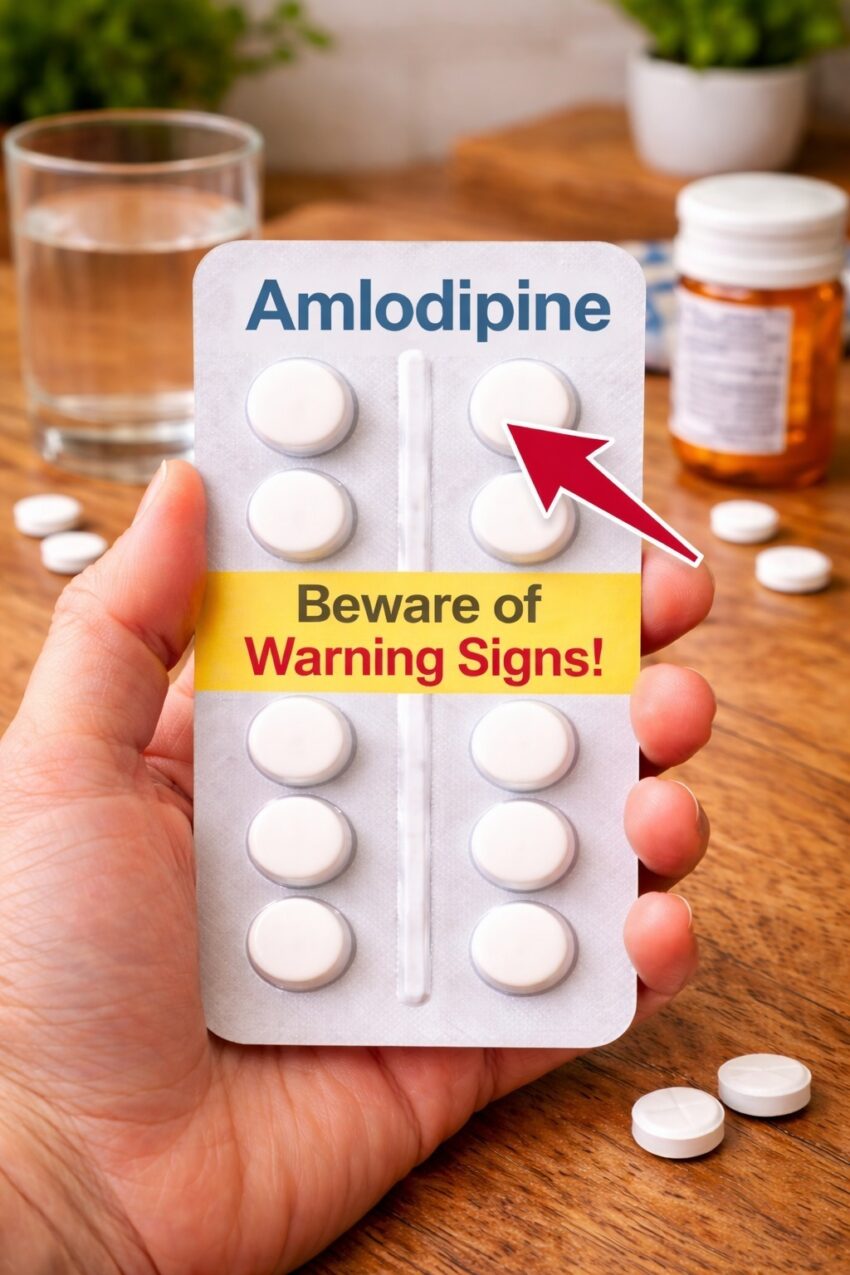
If you’re taking amlodipine (a blood pressure medicine), your daily habits matter a lot because they can either help it work better—or make side effects and blood pressure control worse.
Here are 8 habits to stop or reduce, and why they matter:
1. Drinking too much alcohol
Alcohol can lower blood pressure suddenly, which may increase dizziness or fainting when combined with amlodipine. Long-term, it can also make BP harder to control.
2. Eating a very high-salt diet
Too much salt causes fluid retention and higher blood pressure, which directly works against what amlodipine is trying to do.
3. Suddenly standing up too quickly
Amlodipine can cause lightheadedness or low blood pressure on standing (especially at the start). Getting up fast increases risk of dizziness or falls.
4. Overusing painkillers like ibuprofen or diclofenac
Frequent NSAID use can raise blood pressure and reduce the effect of BP medicines. Occasional use is usually fine, but regular use is not ideal.
5. Smoking
Smoking damages blood vessels and causes narrowing of arteries, which directly increases blood pressure and reduces the benefit of treatment.
6. Skipping doses or taking irregularly
Amlodipine works best when levels stay steady. Missing doses can cause BP fluctuations, headaches, or chest discomfort in some people.
7. Consuming too much licorice (sweet or herbal products)
Real licorice (not just flavoring) can raise blood pressure and lower potassium, making BP control harder.
8. Ignoring swelling in feet or ankles
Amlodipine can cause ankle swelling (edema). Some people ignore it or assume it’s harmless, but worsening swelling may need dose adjustment or medication change.
Important note about grapefruit
Grapefruit is a big interaction with some calcium channel blockers, but amlodipine is only mildly affected. Still, heavy grapefruit intake is usually not recommended unless your doctor says it’s fine.
Bottom line
Amlodipine works best when you:
- keep salt low
- stay consistent with dosing
- avoid substances that raise BP or worsen side effects
If you want, tell me your dose and any symptoms you’re noticing (like swelling, dizziness, or fatigue), and I can help you understand what’s normal vs what needs medical attention.
