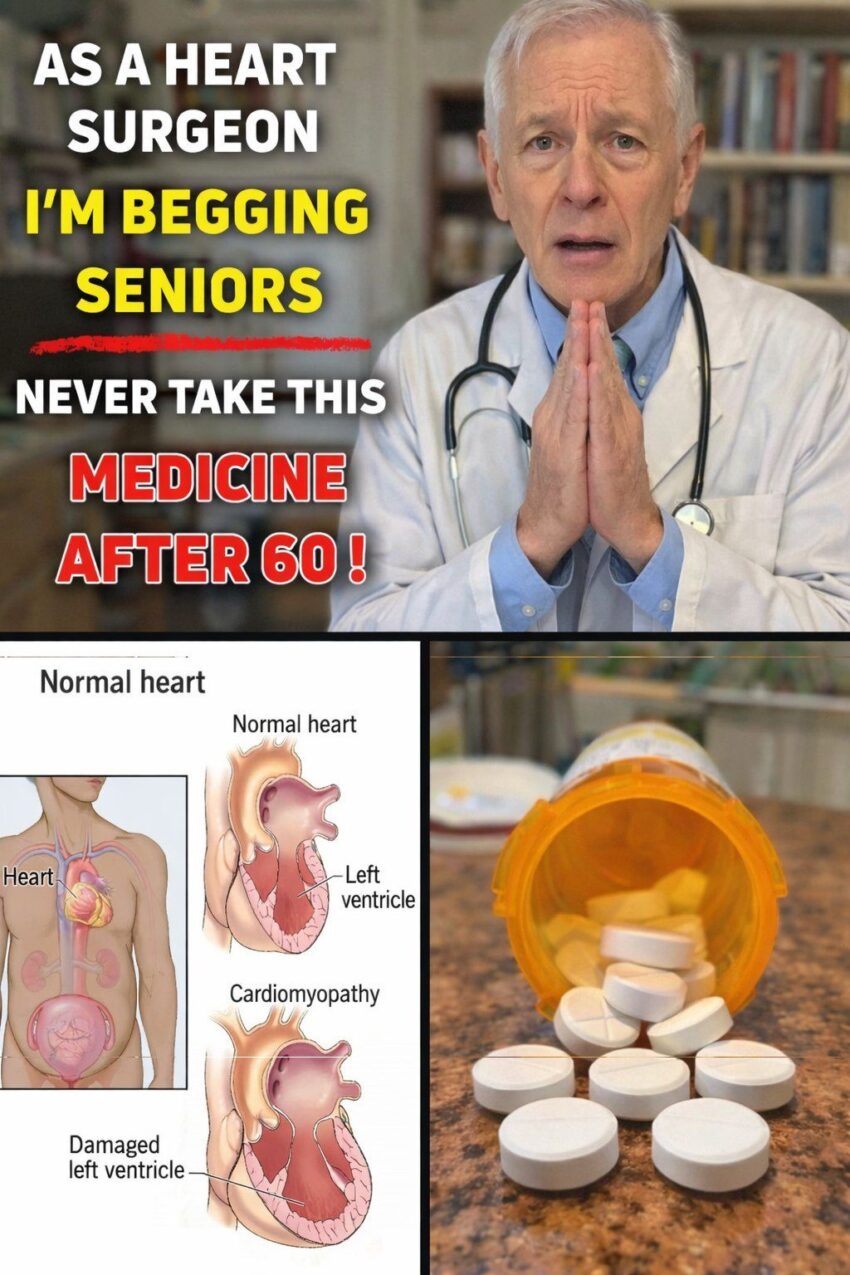
Here’s a clear, full-style breakdown of what seniors (60+) should understand about common pain relief pills and heart health—based on medical research and expert guidance.
What Every Senior Over 60 Should Know About Pain Relief Pills & Heart Health
As people age, pain from arthritis, back problems, or injuries becomes more common—so does the use of over-the-counter painkillers. But these medications aren’t as harmless as they seem, especially for the heart.
1. The most common painkillers can affect your heart
Many widely used drugs belong to a group called NSAIDs (nonsteroidal anti-inflammatory drugs)—including:
- Ibuprofen
- Naproxen
- Diclofenac
- Celecoxib
These are effective for pain and inflammation, but they come with cardiovascular risks.
👉 Research shows NSAIDs can increase the risk of heart attack and stroke, especially in older adults or those with existing heart conditions. (Healthline)
2. Risk rises sharply after age 60
Aging changes how your body handles medication:
- Slower kidney and liver function
- More chronic conditions (like high blood pressure or diabetes)
- Higher likelihood of taking multiple medications
Because of this, seniors are more vulnerable to side effects, including heart complications. (PMC)
3. Why these drugs strain the heart
NSAIDs affect the cardiovascular system in two major ways:
- Increase blood pressure by causing fluid and salt retention
- Raise risk of blood clots, which can block arteries
Both effects can trigger:
- Heart attack
- Stroke
- Heart failure worsening
4. The longer and higher the dose, the greater the danger
- Occasional use → relatively low risk
- Daily or long-term use → significantly higher risk
Even a few weeks of continuous use can start increasing cardiovascular risk. (Healthline)
5. Not all painkillers are equal
- Naproxen may have slightly lower heart risk than other NSAIDs (but still not risk-free) (Harvard Health)
- Aspirin can protect the heart in some cases—but only under medical guidance
- Acetaminophen (paracetamol) is generally safer for the heart, but:
- Doesn’t reduce inflammation
- Can harm the liver if overused
6. Hidden dangers seniors often overlook
Many older adults:
- Take multiple drugs that interact with NSAIDs
- Use OTC painkillers daily without medical advice
- Don’t realize these drugs can:
- Worsen high blood pressure
- Trigger heart failure
- Increase bleeding risk
7. Safer strategies for managing pain
Experts recommend a step-by-step approach:
First try non-drug options:
- Heat or ice therapy
- Physical therapy
- Exercise or stretching
- Weight management
If medication is needed:
- Use the lowest effective dose
- Take it for the shortest possible time
- Talk to a doctor before long-term use
8. When to be extra cautious
You should be especially careful if you have:
- Heart disease
- High blood pressure
- Diabetes
- Kidney problems
- History of stroke
These conditions greatly increase risk when using NSAIDs.
Bottom line
Pain relief pills are helpful—but not harmless, especially after 60.
👉 The key rule:
Use the safest option, at the lowest dose, for the shortest time—and always consider your heart health.
If you want, I can break this down into a simple “safe vs risky painkillers” chart or recommend safer options based on specific conditions.
