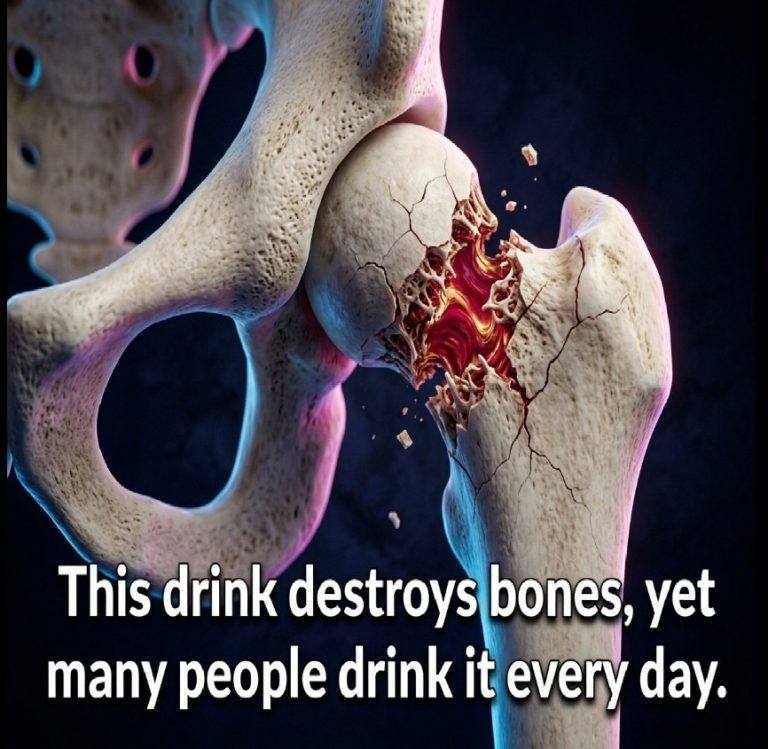
Health experts don’t usually rank a single official “top 5 drinks that destroy bones,” but multiple clinical reviews and osteoporosis organizations consistently point to five categories of beverages that can weaken bone density or increase fracture risk over time. The damage usually comes from calcium loss, reduced calcium absorption, high phosphorus/sugar, caffeine, or alcohol replacing healthier drinks like milk or water.
Here are the five most harmful drinks for bone health, based on research findings and expert consensus:
1. Cola-based soft drinks (regular and diet cola)
These are repeatedly flagged as one of the worst drinks for bone health.
Why they harm bones:
- Contain phosphoric acid, which can disrupt calcium balance
- Linked to lower bone mineral density (BMD) in multiple studies
- May increase calcium loss when combined with low calcium intake
- Often replace milk or other calcium-rich drinks
Key concern:
- The issue is not carbonation, but phosphoric acid + poor diet displacement effect
📉 Studies show cola intake is associated with reduced hip bone density in women (Harvard Health)
2. Sugary sodas and sweetened carbonated drinks (non-cola included)
This includes Fanta, Sprite, Mountain Dew, and similar drinks.
Why they harm bones:
- High added sugar (high-fructose corn syrup)
- Lead to inflammation and mineral imbalance
- Can reduce absorption of calcium, magnesium, and vitamin D
- Often replace healthier drinks in the diet
Key concern:
- High sugar intake is strongly linked to lower bone density and fracture risk in large population studies (GoodRx)
3. Energy drinks
These are especially concerning in teens and young adults.
Why they harm bones:
- Very high caffeine content
- Often loaded with sugar
- Caffeine increases calcium excretion through urine
- Acidic pH may further stress bone metabolism
Key concern:
- Regular high caffeine intake can contribute to gradual calcium loss
4. Excessive coffee (high caffeine intake)
Coffee itself isn’t “bad,” but too much is.
Why it can harm bones:
- Caffeine slightly increases urinary calcium loss
- May reduce calcium absorption if intake is low
- Risk is higher if diet is poor in calcium/vitamin D
Important nuance:
- Moderate intake (2–3 cups/day) is usually not harmful if calcium intake is adequate
- Risk rises with very high consumption or poor diet
5. Alcohol (especially heavy drinking)
Alcohol is one of the strongest lifestyle risk factors for weak bones.
Why it harms bones:
- Suppresses bone-forming cells (osteoblasts)
- Reduces calcium and vitamin D absorption
- Disrupts hormone balance needed for bone remodeling
- Increases fall and fracture risk
Key concern:
- Chronic heavy drinking is strongly linked to osteoporosis and fractures
Bottom line
The biggest threat to bone health isn’t just one drink—it’s patterns:
- Too much soda (especially cola)
- Too much sugar
- Too much caffeine
- Alcohol excess
- And not enough calcium/vitamin D intake to compensate
If you want, I can also give you:
- The best drinks for strong bones
- Or a simple daily diet plan to improve bone density naturally
