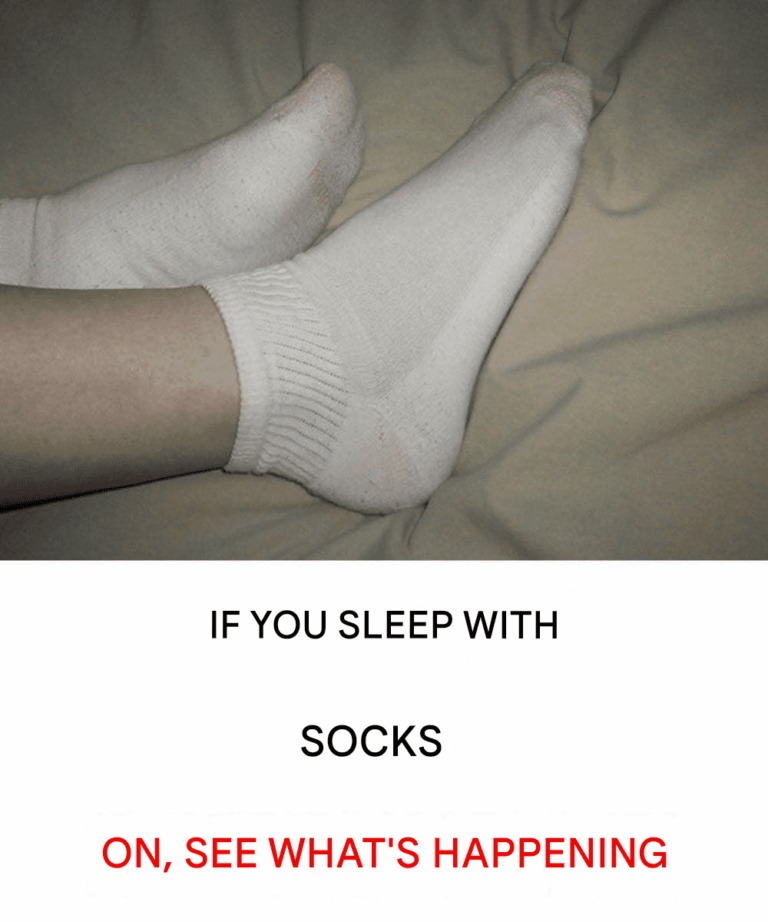
Seniors are often advised to wear socks at home because it can help prevent a number of common health and safety problems that become more likely with age.
One of the biggest reasons is fall prevention. Bare feet on smooth floors (tile, marble, or polished wood) can easily slip, especially if balance or grip strength is reduced. Socks with non-slip grips add traction and reduce the risk of falls, which are a major cause of injury in older adults.
Another important reason is temperature control. As people age, blood circulation in the feet often becomes weaker, so feet can feel colder. Keeping socks on helps maintain warmth, which supports comfort and can also improve circulation slightly.
Socks also provide a protective barrier for the skin. Seniors may have thinner, more fragile skin that can easily get scratched or irritated by dust, furniture edges, or rough flooring. Wearing socks reduces direct contact with surfaces that might cause small injuries.
For seniors with conditions like diabetes, foot care becomes even more important. Reduced sensation in the feet can mean small cuts or pressure points go unnoticed and can become infected. Socks help protect against minor injuries and can reduce the risk of complications associated with foot wounds (a key concern in diabetes care, including conditions like Type 2 Diabetes).
Finally, socks can help manage swelling (edema) and improve comfort by providing gentle compression and reducing friction inside shoes if they’re worn throughout the day.
In short: socks at home are a simple habit that supports safety, warmth, skin protection, and overall foot health in older adults.
