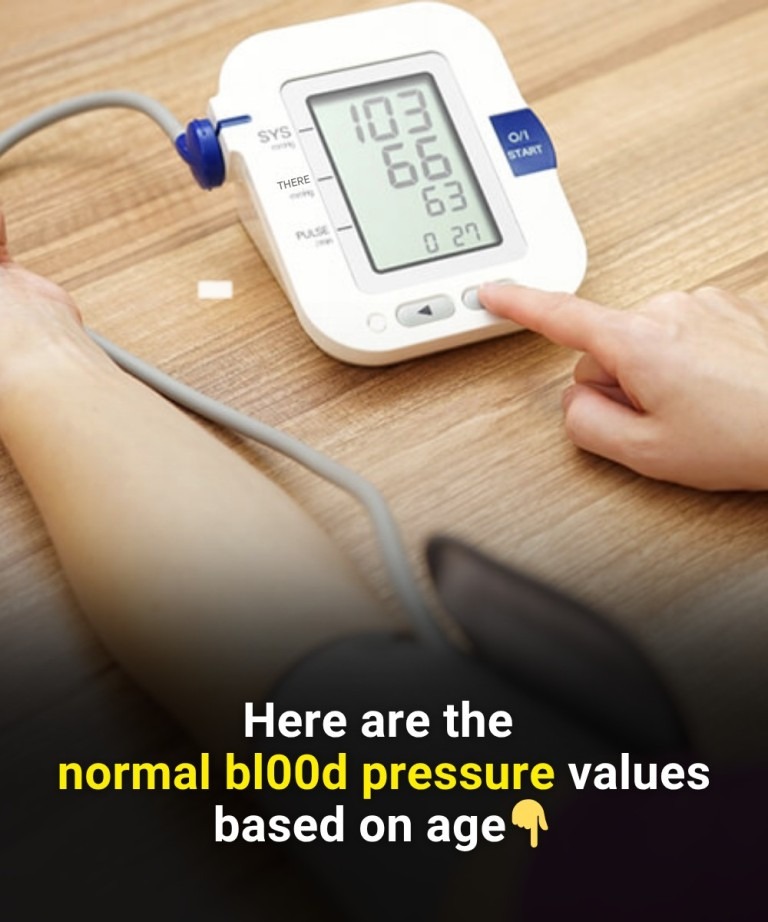
Blood pressure (BP) is one of the most important indicators of heart and blood vessel health. It naturally changes with age, but modern guidelines now focus less on strict “age-based normal ranges” and more on a single healthy target for most adults.
Here’s a clear, updated guide.
🩺 What Is “Normal” Blood Pressure?
Blood pressure is written like this: 120/80 mmHg
- Top number (systolic) = pressure when the heart beats
- Bottom number (diastolic) = pressure when the heart rests
✅ Current Medical Standard (Adults)
Most health organizations (like the American Heart Association) define:
✔ Normal BP
- Below 120 / 80 mmHg
⚠ Elevated
- 120–129 / below 80
⚠ High Blood Pressure (Hypertension)
- Stage 1: 130–139 / 80–89
- Stage 2: ≥140 / ≥90
👶 Blood Pressure by Age (Typical Ranges)
These are average expected ranges, not strict rules.
🧒 Children (1–12 years)
- Usually lower than adults
- Rough range: 90–110 / 50–75
BP depends heavily on height, weight, and growth stage.
👦 Teenagers (13–17 years)
- Starts approaching adult levels
- Typical: 100–120 / 60–80
🧑 Adults (18–59 years)
- Ideal: <120 / <80
- Many healthy adults fall in:
- 110–125 / 70–80
👴 Older Adults (60+ years)
- Blood pressure often rises slightly with age due to stiffening arteries
- Common range:
- 120–140 / 70–90
⚠ However, modern guidelines still aim for:
- Under 130/80 if tolerated, especially in people with heart disease, diabetes, or kidney disease.
📊 Quick Reference Table
| Age Group | Typical Range | Ideal Target |
|---|---|---|
| Children | 90–110 / 50–75 | varies |
| Teens | 100–120 / 60–80 | <120/80 |
| Adults | 110–130 / 70–85 | <120/80 |
| Seniors | 120–140 / 70–90 | often <130/80 |
⚠ When Blood Pressure Becomes Dangerous
High BP risks include:
- Heart disease
- Stroke
- Kidney damage
- Vision problems
Very high emergency levels:
- ≥180 / ≥120 mmHg → requires urgent medical attention
💡 Key Takeaways
- “Normal” for most people today: below 120/80
- Age slightly affects average readings, but targets remain similar
- One reading isn’t enough—consistent measurements matter most
- Lifestyle (salt intake, stress, weight, activity) has a major impact
If you want, I can also explain:
- how to measure BP correctly at home
- signs of high or low blood pressure
- or natural ways to lower BP quickly and safely
