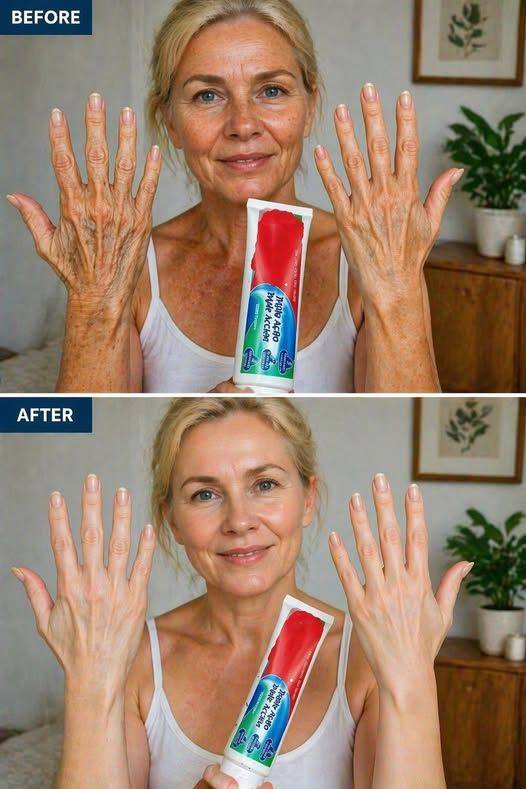
Short answer: a “simple kitchen ingredient” might slightly brighten skin temporarily, but it won’t reliably fade wrinkles or dark spots in any meaningful or lasting way.
A lot of viral claims point to things like lemon juice, baking soda, potato, aloe, turmeric, or vinegar. Here’s what’s actually going on:
Lemon juice, for example, contains citric acid (a mild exfoliant) and vitamin C (a pigment inhibitor in proper formulations). But straight lemon juice on skin is acidic enough to irritate it and can actually make dark spots worse, especially in sunlight.
Baking soda is often marketed for “scrubbing away” discoloration, but it’s alkaline and disrupts your skin barrier. That can lead to dryness, inflammation, and more uneven tone over time.
Turmeric and aloe vera are a bit gentler—turmeric has anti-inflammatory properties, and aloe can soothe—but neither is strong enough on its own to reverse sun damage or wrinkles.
The real issue with hands and arms is usually cumulative sun exposure and natural collagen loss. That’s why dermatologists rely on things like:
- Daily sunscreen (this is the biggest one—prevents further darkening and aging)
- Retinoids (help stimulate collagen and smooth texture over time)
- Vitamin C serums (help brighten and even out pigmentation)
- Chemical exfoliants like glycolic acid (help fade dark spots gradually)
If a kitchen remedy seems to “work” quickly, it’s usually just mild exfoliation or temporary brightening from hydration—not actual reversal of pigmentation or wrinkles.
If you want, tell me what ingredient you saw in that claim—I can break down whether it helps at all or is just internet hype.
