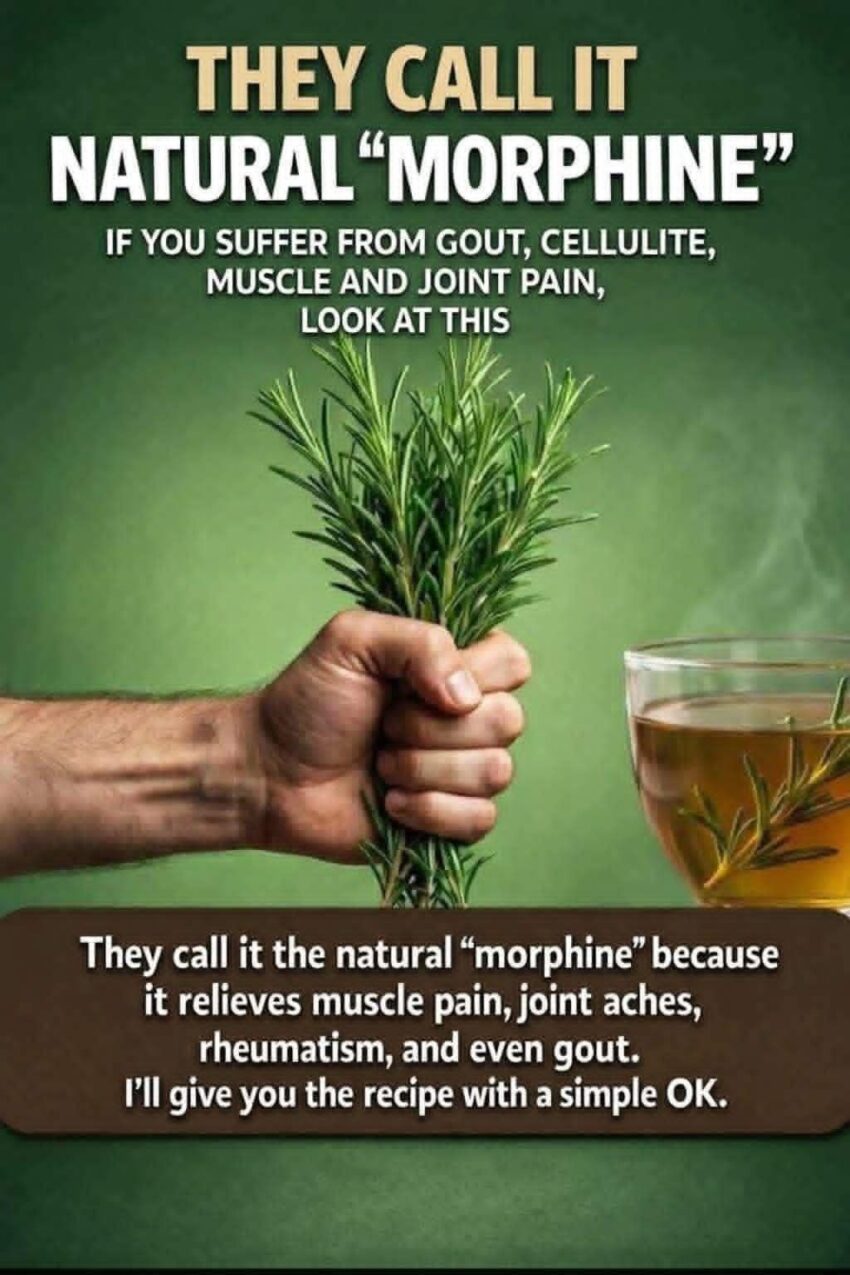
That phrase “natural morphine” gets used loosely for a few different plants and remedies, but it’s not an official medical term—and it can be misleading.
People usually mean one of these:
1) Willow bark (Salicin source)
- This is probably the closest “natural aspirin,” not morphine.
- It contains salicin, which the body converts into salicylic acid (similar to aspirin).
- It can help mild back pain, headaches, and some joint pain.
2) Turmeric (Curcumin)
- Often used for inflammation-related joint pain (like arthritis).
- It may reduce pain indirectly by lowering inflammation, but it’s not a strong painkiller like opioids.
3) Boswellia (Frankincense extract)
- Used in some traditional medicine systems for arthritis and “rheumatic” pain.
- Works as an anti-inflammatory rather than a direct pain blocker.
4) Kratom (sometimes called “natural morphine”)
- This is the one people most often mean by that phrase.
- It acts on opioid receptors in the brain and can reduce pain.
- But it also carries risks: dependence, withdrawal, and safety concerns. In many countries it’s regulated or restricted.
Important correction
Nothing truly “natural” replaces morphine in strength and mechanism. Morphine is a potent opioid medicine derived from the opium poppy, and anything compared to it is usually either:
- much weaker (like turmeric or willow bark), or
- still opioid-like with real risks (like kratom or opium-derived substances).
If you’re thinking of this for muscle, joint, or rheumatic pain, it would help to know what kind of pain it is (inflammation, injury, chronic arthritis, etc.), because the best option changes a lot.
