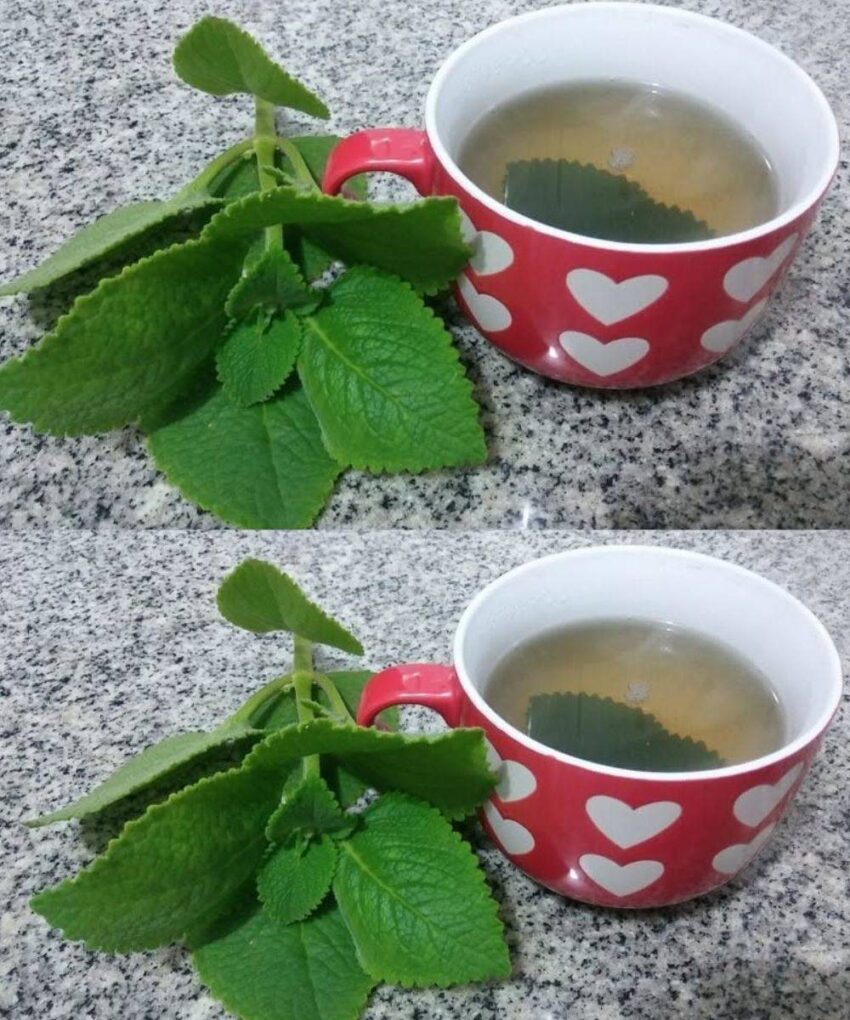
Oregano is more than just a pizza topping—it’s a nutrient-rich herb that can be a simple, flavorful addition to the diet, especially for older adults. Here are five solid reasons seniors may benefit from adding oregano regularly.
One key reason is its high antioxidant content. oregano contains compounds like carvacrol and thymol, which help fight oxidative stress in the body. Since oxidative stress is linked with aging and chronic diseases, antioxidant-rich foods can be a helpful dietary support.
Another benefit is its anti-inflammatory potential. Chronic inflammation is common in older adults and is associated with conditions like arthritis and heart disease. Oregano’s natural plant compounds may help the body regulate inflammatory responses, though it works best as part of an overall balanced diet rather than as a standalone solution.
Oregano also has natural antimicrobial properties. Traditionally, it has been studied for its ability to help inhibit certain bacteria and fungi. While it’s not a replacement for medical treatment, including it in meals can add a small layer of dietary support for immune health.
It may also support digestion. Oregano has been used in traditional cuisine to help stimulate digestive enzymes, which can be especially helpful as digestion tends to slow with age. Adding it to meals can make food both more flavorful and potentially easier to digest.
Finally, oregano may support heart and metabolic health. Some research suggests it could play a role in maintaining healthy cholesterol levels and blood sugar balance, though these effects are modest and depend heavily on overall lifestyle habits like diet, exercise, and medication adherence.
In short, oregano is an easy, low-risk way to enhance flavor while adding beneficial plant compounds to meals—just a sprinkle can go a long way.
