🧠 First: what dementia actually is
Conditions like Alzheimer’s disease develop gradually from brain changes over years. Medications may:
- Temporarily impair cognition
- Worsen existing memory issues
- Contribute to risk in some long-term cases (still not clearly causal in many studies)
⚠️ Drug groups most linked to memory problems
1. 💊 Anticholinergic drugs (strongest evidence)
These reduce acetylcholine, important for memory.
Examples:
- Diphenhydramine (sleep/allergy aid)
- Amitriptyline (older antidepressant)
👉 Associated with increased cognitive decline risk when used long-term or in high doses.
2. 😴 Benzodiazepines (sedatives)
Examples:
- Diazepam
- Alprazolam
Effects:
- Short-term memory impairment
- Drowsiness and confusion
- Increased fall risk
Long-term use is associated with higher dementia risk, but causation is debated.
3. 🌙 Sleep medications (“Z-drugs”)
Example:
- Zolpidem
Can cause:
- Confusion
- Memory gaps
- Unusual sleep behaviors
4. 🚽 Bladder control medications
Some have anticholinergic effects that can affect cognition.
5. 💊 Opioid painkillers
Example:
- Oxycodone
Can lead to:
- Sedation
- Slower thinking
- Confusion
6. 🤧 First-generation antihistamines
Often found in over-the-counter sleep aids and allergy meds.
7. 💓 Some heart or blood pressure meds
Usually indirect effects (fatigue, dizziness), not direct dementia causes.
8. 🧠 Certain older antidepressants
Especially tricyclics with anticholinergic activity.
🧠 Key reality check
- ❌ These drugs do NOT directly “cause dementia” in most people
- ✔️ Effects are often reversible when medication is adjusted
- ✔️ Risk depends on dose, duration, and individual vulnerability
🚨 Who should be cautious
Higher risk if:
- Age 65+
- Taking multiple medications
- Already experiencing memory issues
🧠 Bottom line
- Some medications can affect memory and thinking, especially long-term
- The strongest evidence involves anticholinergic drugs and sedatives
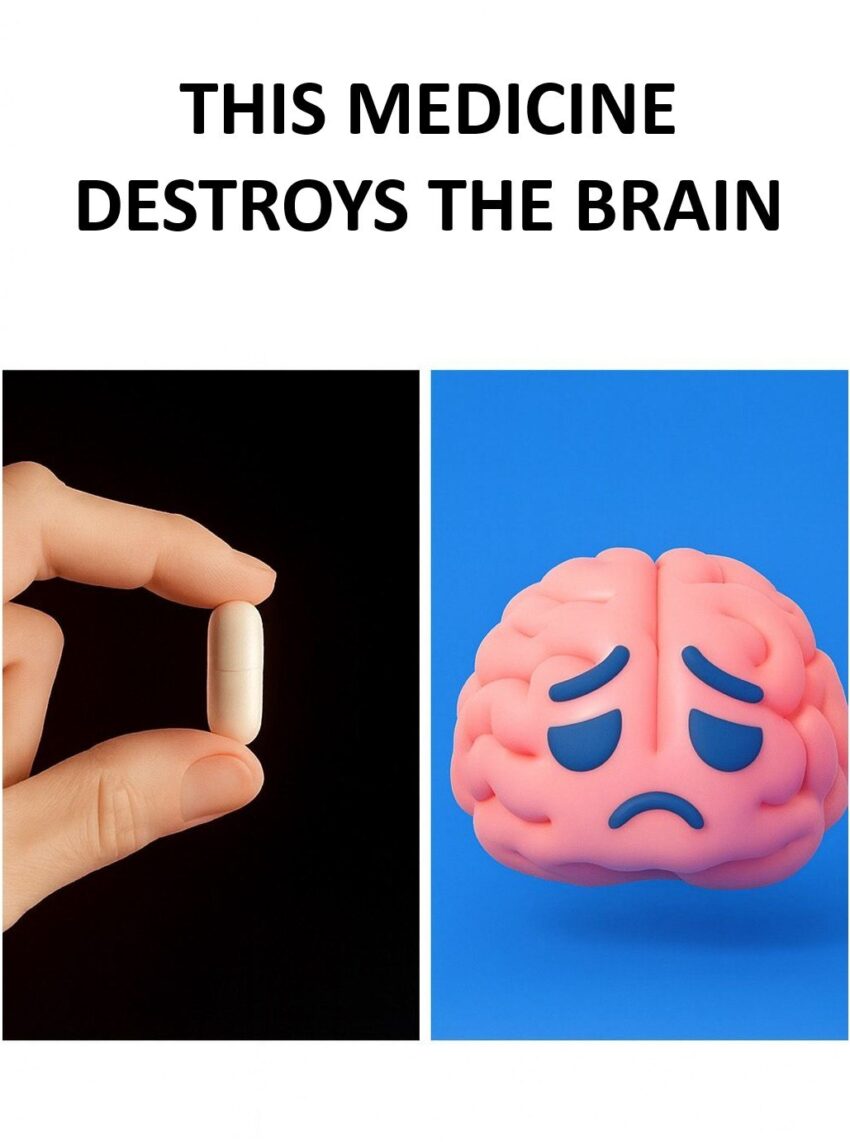
- The headline exaggerates a complex, nuanced medical issue
If you want, I can review any specific medications you’re worried about and tell you whether they’re in the higher-risk category for memory effects.
