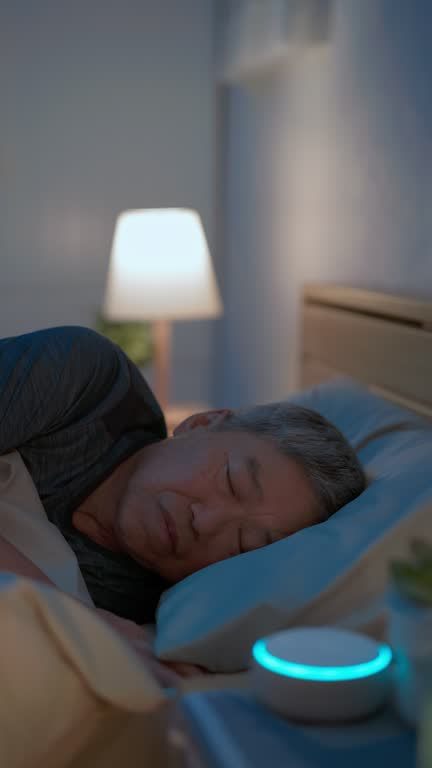
White noise—like the steady hum of a fan, rainfall sounds, or a dedicated white noise machine—is widely used to help people fall asleep. It can be helpful for some, but it’s not universally beneficial. Here’s a clear breakdown of how it can help sleep—and where it can backfire.
How white noise can help sleep
1. Masks disruptive sounds
White noise works by “covering up” sudden noises like traffic, barking dogs, or household sounds. Because it’s steady and predictable, the brain is less likely to wake up in response to sudden changes in sound.
2. Helps the brain relax
A consistent audio background can give the brain something stable to focus on, which may reduce overthinking or racing thoughts at bedtime.
3. Builds a sleep cue (conditioning)
If you use white noise regularly, your brain can start associating it with sleep, making it easier to fall asleep over time.
4. Useful in noisy environments
It’s especially helpful in cities, shared housing, or places where silence isn’t realistic.
Potential downsides of white noise
1. Possible dependency
Some people find they struggle to sleep without it after long-term use. This is more psychological conditioning than physical dependence, but it can still feel limiting.
2. Can mask important sounds
While it blocks disruptive noise, it can also hide things you might need to hear—like alarms, a crying baby, or emergencies.
3. Volume matters a lot
If it’s too loud, white noise can damage hearing over time or subtly increase stress instead of reducing it. Experts usually recommend keeping it at a low, background level.
4. Not equally effective for everyone
Some people find it soothing, while others find it irritating or stimulating, especially if the sound quality is harsh or “hissy.”
White noise vs other sound types
Not all “sleep sounds” are the same:
- White noise: all frequencies equally (hissy, static-like)
- Pink noise: deeper and softer (rain, wind) — often found more relaxing
- Brown noise: even deeper (like thunder or distant rumble)
Some people who don’t like white noise prefer pink or brown noise instead.
Bottom line
White noise can be a useful sleep tool, especially for masking disturbances and creating a bedtime routine. But it works best when used at a low volume and as a support—not a strict requirement for sleep.
If you want, tell me your sleep environment (quiet, noisy, shared room, etc.), and I can suggest whether white noise—or another type of sound—would likely work best for you.
