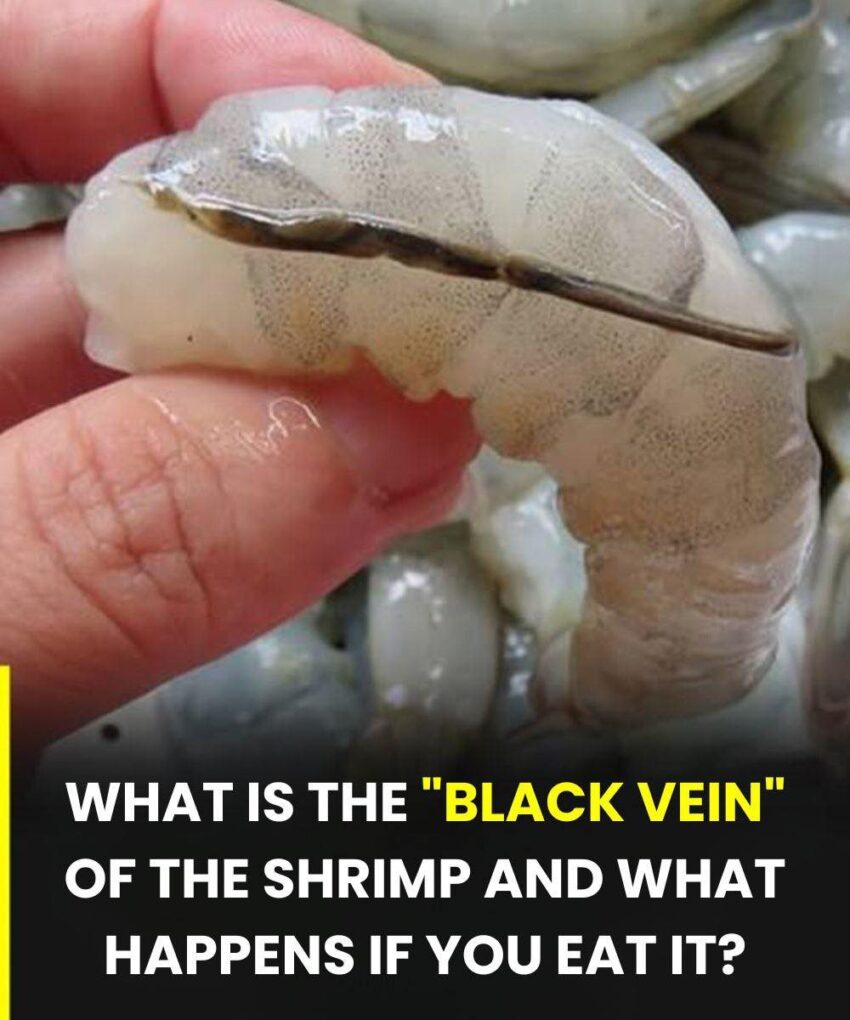
The “vein” in a shrimp is one of those kitchen details that sounds more mysterious than it really is.
What people call the “vein” is actually the shrimp’s digestive tract—not a blood vessel. In Shrimp, this thin dark line runs along the back and carries whatever the shrimp has recently eaten, including microscopic particles of sand or grit from the ocean floor.
Why it exists (and why it looks that way)
Shrimp don’t have a complex filtering system like mammals. Their digestive tract is essentially a straight tube, and because it’s often filled with partially digested material, it can appear dark brown or black through the translucent flesh.
Is it dangerous?
Not really. Eating an undeveined shrimp is generally safe if the shrimp is properly cooked. The main reason chefs remove it is:
- Texture: it can feel gritty if it contains sand
- Taste: sometimes slightly bitter or “muddy”
- Appearance: it looks unappetizing in clean dishes
Why some shrimp don’t need deveining
Not all shrimp show a visible “vein.” Smaller shrimp often have a barely noticeable tract, and in some very small varieties it’s not worth removing at all.
Black vs. white “vein”
- Black/brown line: digestive tract (most commonly removed)
- White line underneath: sometimes people mistake this for another vein, but it’s actually the nerve cord and is rarely removed
The culinary reality
In professional kitchens, deveining is more about presentation and texture than safety. In casual home cooking, many people skip it entirely—especially for small shrimp or heavily seasoned dishes where texture differences are unnoticeable.
If you want, I can show you the quickest way chefs devein shrimp without peeling them completely.
