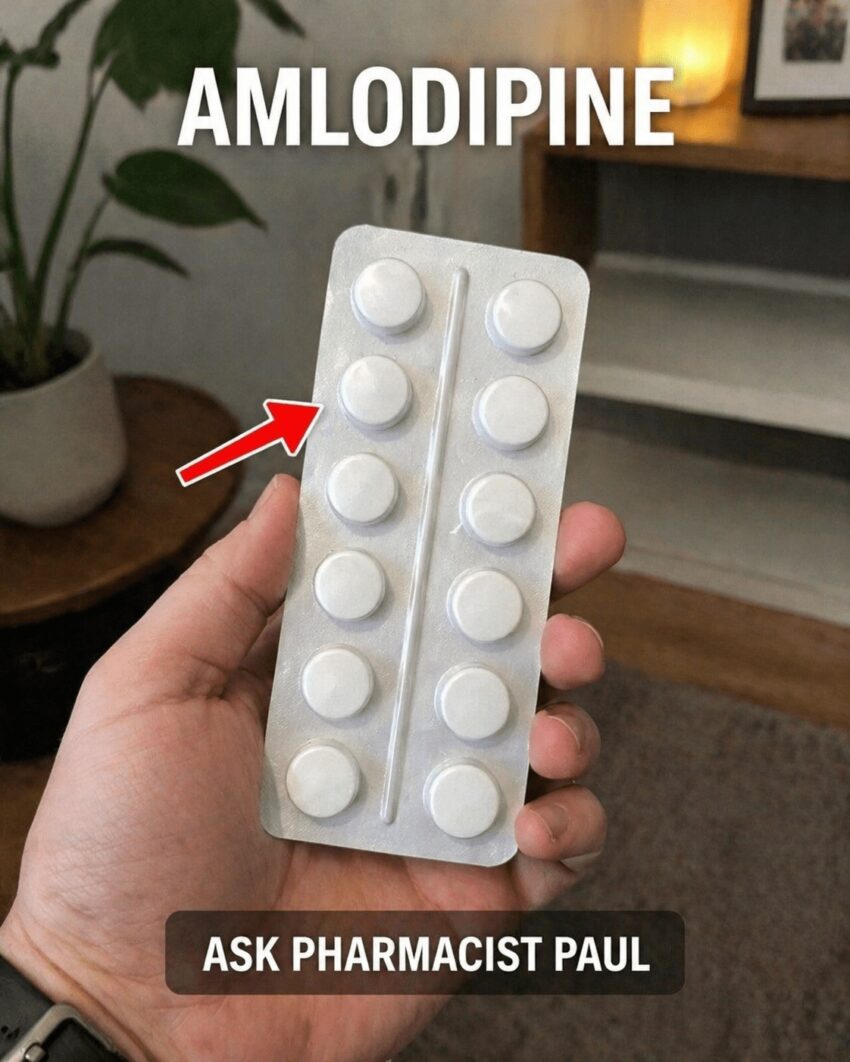
If you’re taking Amlodipine (a calcium channel blocker used for high blood pressure and chest pain), your daily habits matter a lot because they can either support the medicine—or quietly work against it.
Here are 8 habits worth stopping (or strongly reducing) and why they matter:
1) Skipping doses or “taking it only when BP feels high”
Amlodipine works by maintaining a steady level in your blood.
When you skip or self-adjust doses, your blood pressure can swing unpredictably, which increases risk of stroke, chest pain, or dizziness.
2) Eating a consistently high-salt diet
Too much sodium makes your body retain fluid and raises blood pressure.
This directly fights against what amlodipine is trying to control, making the medication less effective over time.
3) Heavy alcohol consumption
Alcohol can:
- Raise blood pressure long-term
- Worsen dizziness or flushing (a common amlodipine side effect)
- Increase risk of sudden BP drops when standing
Even moderate intake may amplify side effects in some people.
4) Frequent grapefruit or grapefruit juice
Grapefruit can interfere with enzymes that break down amlodipine, potentially increasing its levels in your blood.
That may lead to stronger side effects like:
- Swelling in feet/ankles
- Headache
- Excessive blood pressure drop
5) Smoking
Nicotine tightens blood vessels and raises heart rate and blood pressure.
That works directly against amlodipine’s effect, meaning you may need higher control than expected if smoking continues.
6) Overusing painkillers like ibuprofen or diclofenac
Regular NSAID use can:
- Raise blood pressure
- Reduce kidney function
- Make blood pressure harder to control overall
This is a common hidden reason BP stays high despite medication.
7) Consuming licorice (black licorice / herbal sweets)
Real licorice root can significantly raise blood pressure and lower potassium levels.
It can silently undo the benefit of BP medication if taken regularly.
8) Ignoring dehydration and overdoing stimulants (energy drinks, excess caffeine)
Dehydration and high caffeine intake can cause:
- Temporary blood pressure spikes
- Heart palpitations
- Increased dizziness when combined with amlodipine
This doesn’t cancel the drug, but it destabilizes blood pressure control.
A key reality check
Amlodipine works best when your lifestyle isn’t constantly pushing blood pressure in the opposite direction. It’s not just about “taking a pill”—it’s about reducing the load on your arteries so the medication can do its job properly.
If you want, tell me your age and whether you’re taking it for BP or chest pain—I can tailor a more practical “do this / avoid this” daily routine for your situation.
