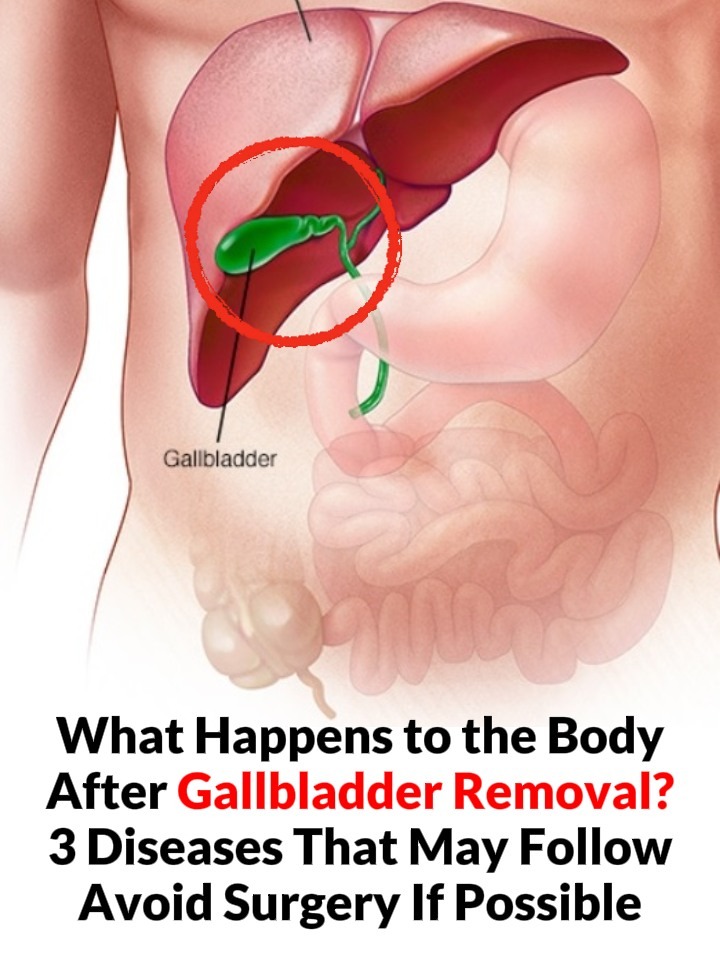
Gallbladder removal (called Cholecystectomy) is a common procedure, usually done to treat gallstones or inflammation. It can be very effective—but the idea that you should “avoid surgery at all costs” isn’t quite right. In many cases, delaying surgery can actually lead to serious complications.
Here’s a balanced look at what really happens after removal and what risks may follow.
What happens to your body after gallbladder removal?
The gallbladder stores and concentrates bile. After it’s removed:
- Bile flows directly from the liver into the intestine
- Fat digestion still occurs, but less efficiently at first
- The body usually adapts within weeks to months
Most people live completely normal lives afterward.
Common changes (usually temporary)
- Loose stools or diarrhea
- Bloating or gas
- Difficulty digesting fatty foods
These often improve as your digestive system adjusts.
3 conditions that may develop after gallbladder removal
1. Postcholecystectomy syndrome
- Ongoing abdominal pain, indigestion, or diarrhea
- Can occur if bile flow is unregulated or due to leftover stones
- Not very common, but possible
2. Bile reflux gastritis
- Bile flows back into the stomach instead of staying in the intestines
- Causes burning pain, nausea, or vomiting
3. Chronic diarrhea (bile acid diarrhea)
- Excess bile entering the colon
- Leads to frequent loose stools in some people
- Usually manageable with diet or medication
Important reality check
These complications:
- Are relatively uncommon
- Are often mild or treatable
- Do not affect the majority of patients
Meanwhile, untreated gallbladder disease can lead to serious conditions like:
- Acute pancreatitis
- Cholecystitis
- Blocked bile ducts or infection
These can be dangerous or even life-threatening.
Should you avoid surgery?
Not necessarily.
Avoiding surgery might be reasonable if:
- Symptoms are mild
- Gallstones are not causing complications
But surgery is usually recommended when:
- You have repeated pain (biliary colic)
- There is infection or inflammation
- Stones are blocking ducts
In those cases, surgery often prevents worse problems.
Bottom line
- The body adapts well without a gallbladder
- Some digestive issues can occur but are usually manageable
- The risks of not treating serious gallbladder disease can be much higher than the risks of surgery
If you want, tell me your symptoms or diagnosis—I can help you decide whether surgery makes sense in your specific situation.
