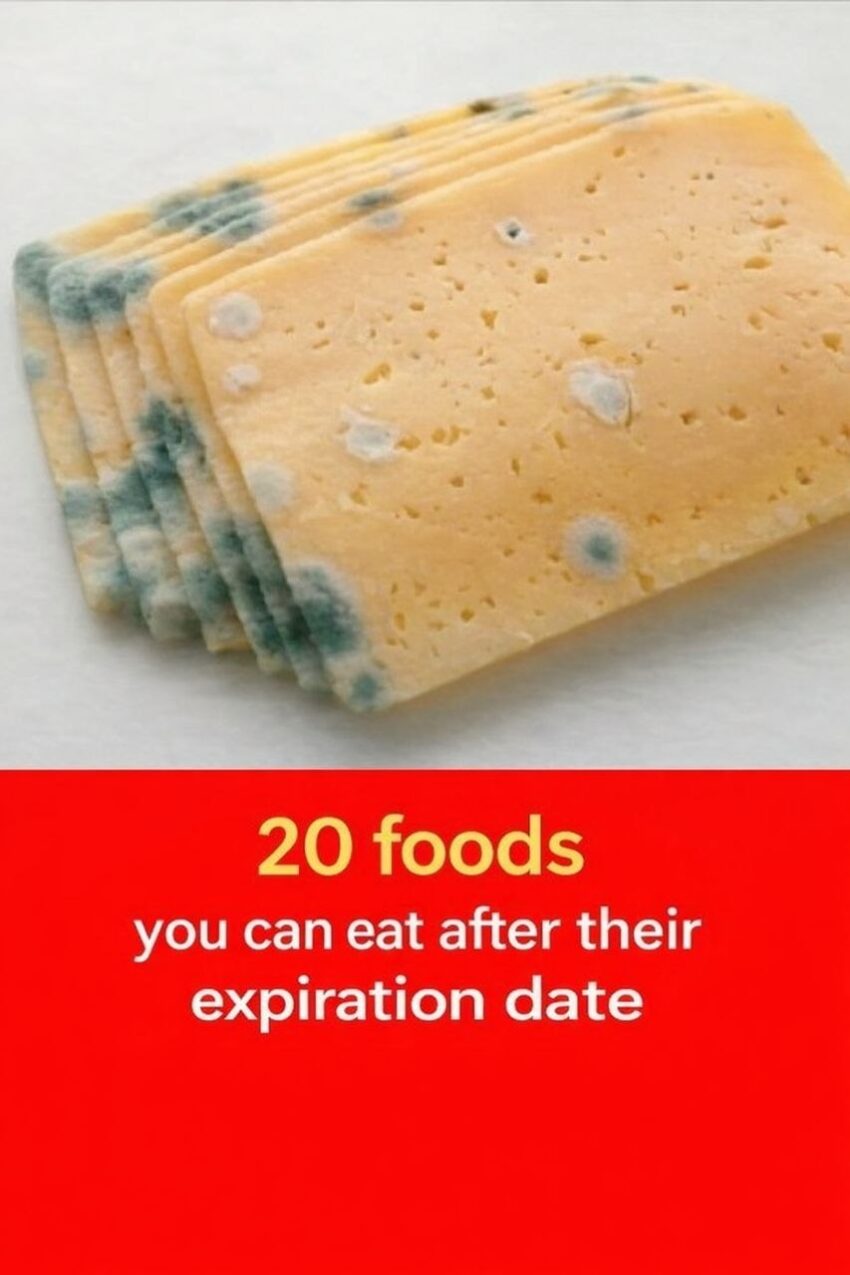
Many foods are still safe to eat after the “expiration” or “best before” date, as long as they’ve been stored properly and show no signs of spoilage. Those dates often indicate quality, not strict safety.
Here are 20 common foods you can often eat past their expiration date:
- Eggs – Usually safe 1–3 weeks past date if refrigerated; check by water float test.
- Milk – Can last a few days past date if it smells and tastes normal.
- Yogurt – Often good 1–2 weeks past date due to beneficial bacteria.
- Cheese – Hard cheeses last weeks; just cut off mold spots.
- Bread – Safe if no visible mold; may be stale but usable.
- Rice – White rice lasts years if dry and sealed.
- Pasta – Dried pasta stays good long after date if kept dry.
- Canned beans – Often safe years past date if can is intact.
- Canned tuna – Long shelf life; safe if no bulging or rust.
- Honey – Basically never spoils; may crystallize but still edible.
- Sugar – Indefinite shelf life if kept dry.
- Salt – Does not expire under normal conditions.
- Chocolate – Can be eaten past date; may develop white bloom.
- Butter – Often fine weeks past date if refrigerated.
- Frozen vegetables – Safe for months; quality slowly declines.
- Frozen fruit – Remains safe long-term if continuously frozen.
- Pickles – High acidity helps preserve them well past date.
- Soy sauce – High salt content keeps it stable for years.
- Ketchup – Often safe months after expiry if refrigerated.
- Cereal – May lose crunch but usually safe past date.
A key rule: if something smells off, has mold (especially soft foods), or packaging is swollen or damaged, it’s best to throw it out—no matter the date.
If you want, I can also group these into “safe for weeks,” “safe for months,” and “safe for years” so it’s easier to remember.
