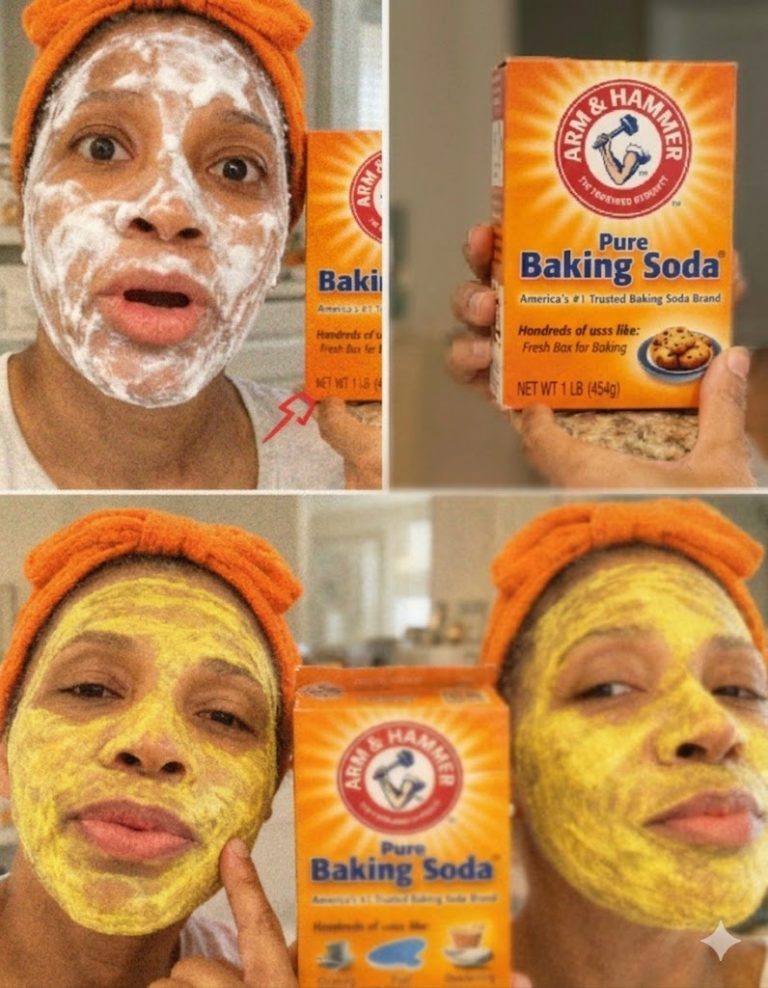
Baking soda (sodium bicarbonate) is sometimes used in DIY skincare because it’s mildly abrasive and can temporarily reduce oil. However, it is highly alkaline, which can disrupt the skin’s natural barrier and cause irritation, dryness, or breakouts if overused. So if you try it, keep it occasional and gentle.
Here are 3 common methods people use:
1) Baking Soda Gentle Cleanser (for oily skin)
Best for: occasional deep cleansing (not daily use)
How to do it:
- Mix 1 teaspoon baking soda with 2–3 teaspoons water
- Stir into a thin paste
- Apply gently to damp face using fingertips
- Massage in very light circular motions for 10–15 seconds
- Rinse thoroughly with lukewarm water
- Follow with a moisturizer
Frequency: once a week max
2) Spot Treatment (for pimples or acne areas)
Best for: targeting individual breakouts related to mild Acne vulgaris
How to do it:
- Mix a pinch of baking soda + a few drops of water to form a thick paste
- Apply only on the pimple (not whole face)
- Leave for 5–10 minutes
- Rinse off gently
Frequency: 1–2 times per week max
⚠️ Stop if you feel burning or strong dryness.
3) Baking Soda Face Mask (oil-control mask)
Best for: oily or congested skin (occasional use)
How to do it:
- Mix:
- 1 teaspoon baking soda
- 1 teaspoon honey or aloe vera gel
- small amount of water if needed
- Apply a thin layer to clean face
- Leave for 5–8 minutes only
- Rinse thoroughly and moisturize
Frequency: once every 1–2 weeks
Important Warnings (very important)
- Do not use daily
- Avoid if you have sensitive, dry, or eczema-prone skin
- Don’t scrub aggressively (it can damage skin barrier)
- Always moisturize after use
- If redness, stinging, or peeling occurs, stop immediately
Bottom line
Baking soda can temporarily help with oil and mild acne, but it’s not ideal for regular skincare. If you’re dealing with persistent acne, gentler pH-balanced cleansers usually work better long-term.
If you want, I can suggest safer alternatives that work better for acne and oily skin.
