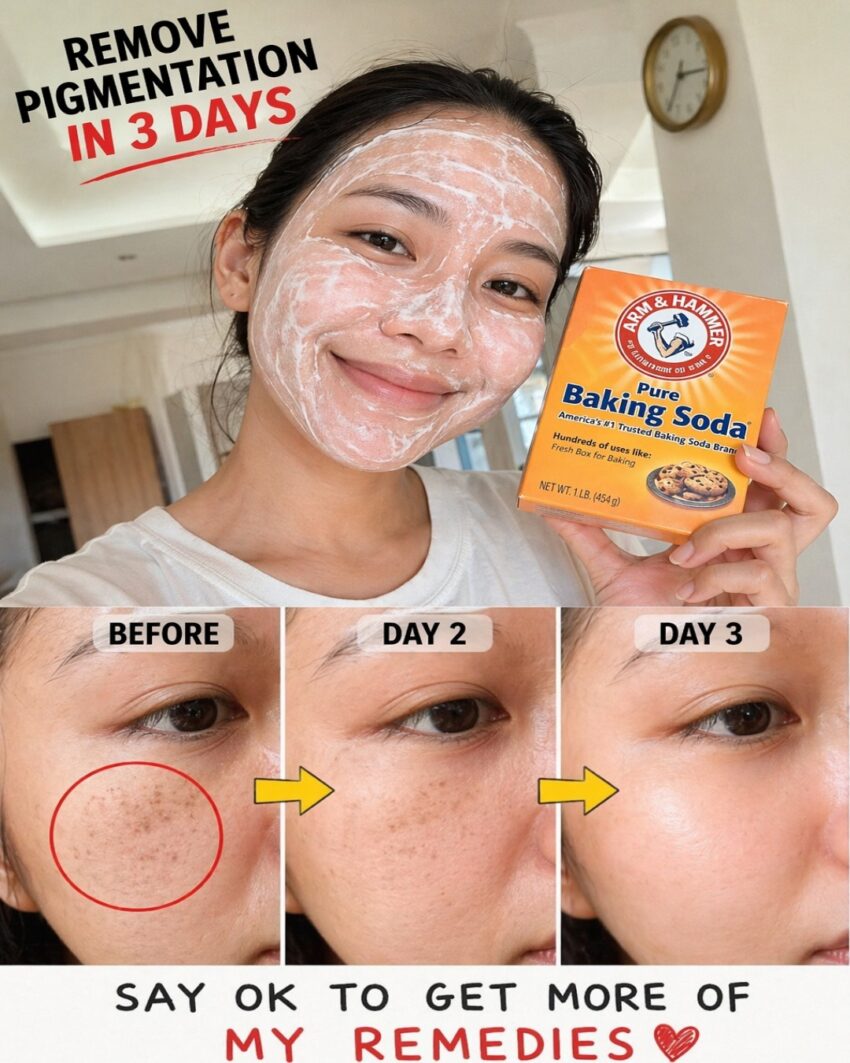
Baking soda (sodium bicarbonate) is one of those DIY skincare ingredients that looks simple and “natural,” but it’s actually a bit of a mixed bag. Whether it’s helpful or harmful depends on how and where you use it—but for skin care, dermatologists generally lean toward caution.
Why people use baking soda on skin
Baking soda is:
- Alkaline (high pH)
- Mildly exfoliating
- Slightly antibacterial
- Cheap and easy to find
Because of this, it’s commonly used in home remedies for:
- Acne spot treatments
- Blackhead scrubs
- Body odor control
- “Brightening” skin masks
The problem: your skin doesn’t like high pH
Healthy skin is naturally slightly acidic (around pH 4.5–5.5). This acidity helps maintain the skin barrier—your first defense against irritation, dryness, and infection.
Baking soda has a pH of about 9, which is significantly more alkaline. When applied to skin, it can:
- Disrupt the protective skin barrier
- Strip natural oils
- Cause dryness and irritation
- Make skin more sensitive over time
Possible risks of regular use
Frequent or undiluted use can lead to:
- Redness and burning
- Flaky or tight skin
- Worsening acne in some people
- Increased sensitivity to sunlight and products
- Damage to the skin barrier (which can take time to heal)
People with eczema, rosacea, or sensitive skin are especially likely to react badly.
When it might seem “helpful”
Some people notice short-term effects like:
- Smoother skin after scrubbing
- Temporary oil reduction
- Slight improvement in body odor
But these effects are usually temporary and can come at the cost of long-term skin balance.
What dermatologists usually recommend instead
For similar goals, safer alternatives include:
- Gentle chemical exfoliants (like lactic acid or salicylic acid)
- pH-balanced cleansers
- Niacinamide for oil control and acne
- Proper moisturizers to support the skin barrier
Bottom line
Baking soda isn’t inherently “toxic,” but it’s too harsh and too alkaline for regular skincare use. Occasional, highly diluted use is unlikely to harm most people—but as a routine skincare solution, it’s more likely to disrupt your skin than improve it.
If you want, tell me your skin type (oily, dry, acne-prone, sensitive), and I can suggest safer, simple routines that achieve the same goals without the risk.
