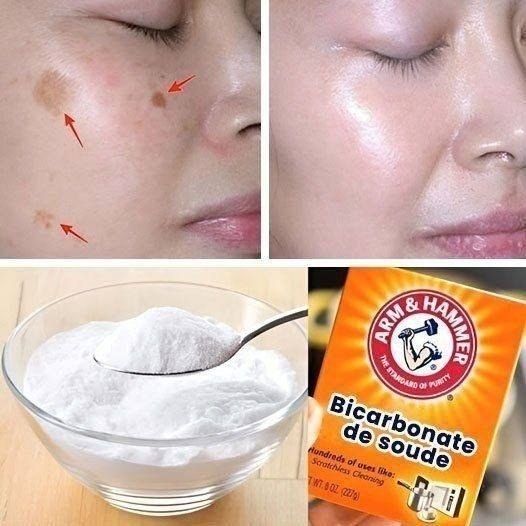
Baking soda is often promoted online as a “quick fix” for dark spots, wrinkles, and dark circles—but it’s actually not a good or safe choice for facial skin care, especially around the eyes.
Why baking soda is a problem for your face
Your skin is naturally slightly acidic (healthy pH ~4.5–5.5). Baking soda is strongly alkaline, so using it can:
- Disrupt your skin barrier
- Cause dryness and irritation
- Make dark spots worse (post-inflammatory hyperpigmentation)
- Trigger redness, burning, or peeling
- Be especially harsh on the thin skin under the eyes
So instead of improving skin tone, it often worsens uneven pigmentation and aging signs.
What actually works better (safer options)
1. For dark spots
Look for:
- Vitamin C serum (brightens and fades pigmentation)
- Niacinamide (Vitamin B3) (reduces discoloration over time)
- Sunscreen SPF 30–50 daily (most important step—prevents spots from getting darker)
2. For wrinkles / fine lines
- Retinol or retinoids (boost collagen production)
- Hyaluronic acid (hydrates and plumps skin)
- Moisturizer with ceramides
3. For dark circles
Depends on the cause (sleep, genetics, or pigmentation), but helpful options are:
- Cold compress (temporary reduction of puffiness)
- Caffeine eye creams (tightens and reduces swelling)
- Better sleep and hydration
- Sunscreen around eyes (yes, even there)
If you still want a “natural” routine
Instead of baking soda, safer gentle options include:
- Aloe vera gel (soothing and hydrating)
- Honey masks (moisturizing, mild antibacterial)
- Cucumber slices (temporary cooling effect)
Bottom line
Baking soda is not recommended for facial use, especially for treating dark spots, wrinkles, or dark circles. It may seem like a cheap shortcut, but it often leads to more skin damage rather than improvement.
If you want, tell me your skin type (oily, dry, sensitive, acne-prone), and I can suggest a simple routine that actually targets all three concerns safely.
