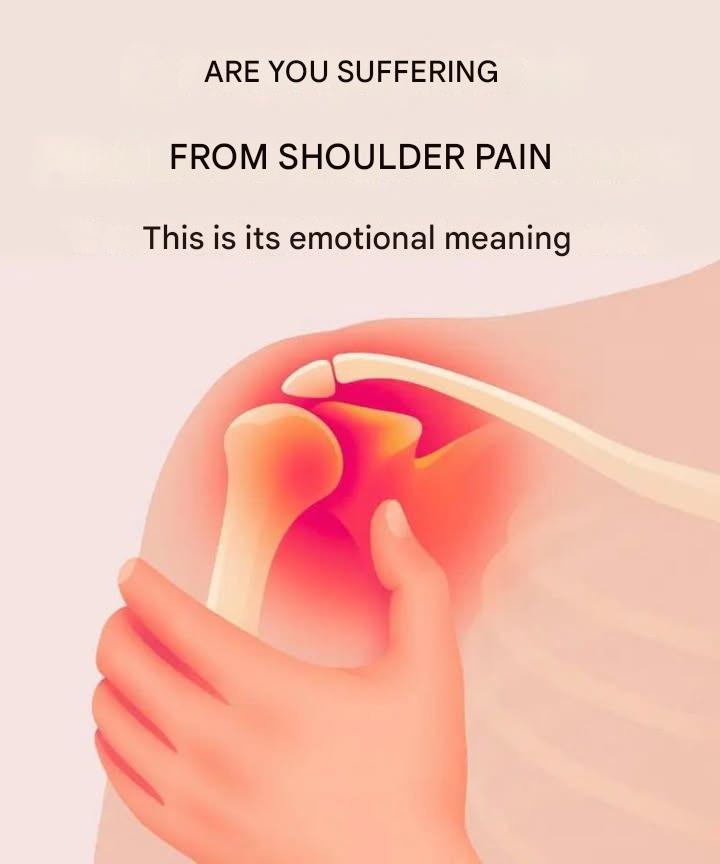
Shoulder pain is usually explained in medical terms—muscle strain, injury, posture—but in many psychological and mind–body perspectives, it’s also explored for its emotional symbolism. These interpretations aren’t a replacement for medical care, but they can offer insight into how stress and emotions may show up physically.
Here’s a full, structured look at the emotional significance often associated with shoulder pain:
The Symbolism of the Shoulders
The shoulders are literally what we use to carry weight. Because of that, they’re often linked—symbolically and psychologically—to:
- Responsibility
- Burden
- Obligation
- Pressure (especially external expectations)
When people say “I’m carrying the weight of the world on my shoulders,” it reflects this connection clearly.
Common Emotional Associations
1. Feeling Overburdened
Shoulder pain is often linked to taking on too much—emotionally, mentally, or practically.
You might relate if you:
- Feel responsible for everyone else
- Struggle to say no
- Constantly put others’ needs before your own
2. Suppressed Stress and Tension
The shoulders are a major tension-storage area in the body.
Emotional patterns may include:
- Chronic stress or anxiety
- Holding in emotions instead of expressing them
- Being “on guard” or unable to relax
This can lead to tightness, stiffness, or recurring pain.
3. Guilt or Emotional Weight
Some interpretations suggest shoulder discomfort may reflect:
- Carrying guilt
- Regret about past decisions
- Feeling morally or emotionally “weighed down”
4. Control and Responsibility Issues
People who feel they must control everything or “hold life together” may unconsciously tense their shoulders.
This includes:
- Perfectionism
- Fear of failure
- Difficulty delegating
Left vs. Right Shoulder (Symbolic Views)
These interpretations come from holistic or spiritual traditions and aren’t scientifically established, but some people find them meaningful:
- Left shoulder:
Linked to internal life—emotions, family, personal relationships
Pain may relate to emotional burdens or unresolved feelings - Right shoulder:
Linked to external life—work, responsibilities, societal roles
Pain may reflect pressure from career or expectations
The Mind–Body Connection
Stress and emotional strain can cause real physical effects:
- Muscle tension
- Reduced blood flow
- Poor posture
- Nervous system activation (fight-or-flight mode)
Over time, these can lead to persistent pain or discomfort in the shoulders and neck.
Questions for Self-Reflection
If you’re exploring the emotional side of your shoulder pain, you might ask yourself:
- What am I currently “carrying” in my life?
- Do I feel overwhelmed or unsupported?
- Am I taking on responsibilities that aren’t mine?
- What emotions am I holding in?
- Where do I need to let go or ask for help?
Practical Ways to Address It
Alongside proper medical care if needed:
- Stress management: breathing exercises, meditation
- Physical release: stretching, massage, movement
- Emotional expression: journaling, talking things out
- Boundary setting: learning to say no
- Posture awareness: especially if you sit long hours
Important Note
Shoulder pain can have many physical causes—like rotator cuff injuries, poor ergonomics, or inflammation. It’s important not to assume it’s “just emotional.” If pain is persistent, severe, or worsening, a medical evaluation is essential.
Bottom Line
Emotionally, shoulder pain is often associated with carrying too much—whether responsibilities, stress, or unresolved feelings. Even if the root cause is physical, emotional stress can intensify or prolong the discomfort.
If you want, I can help you connect your specific situation to these patterns more concretely.
