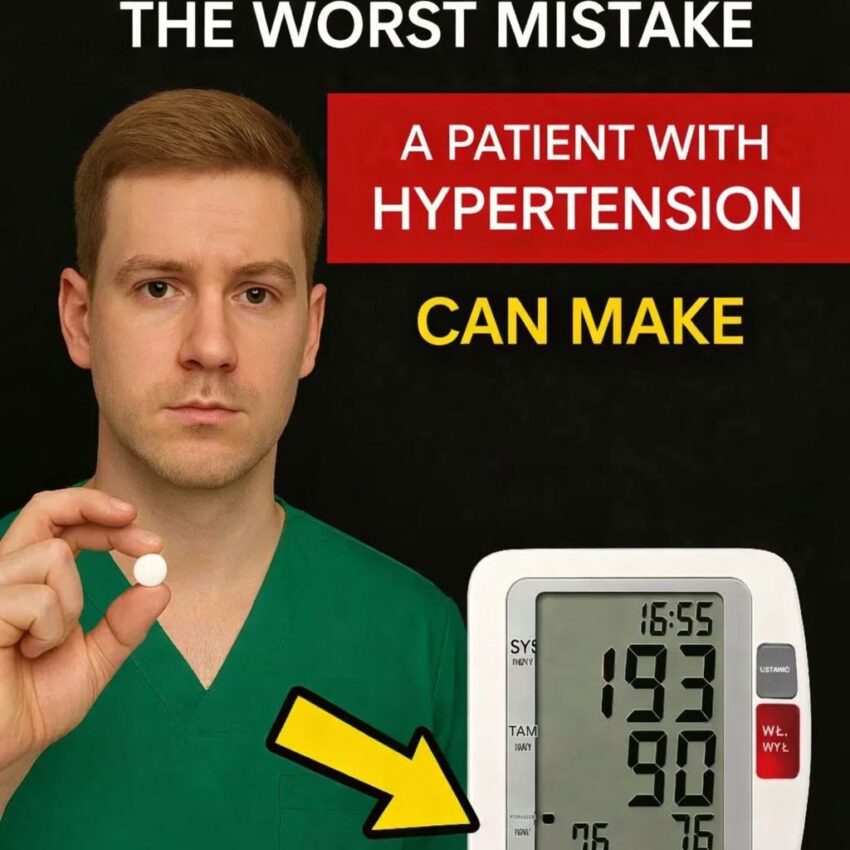
Measuring blood pressure at home is actually very useful—but only if it’s done correctly. A lot of “high readings” people worry about are just technique problems, so getting this right matters as much as the number itself.
How to properly measure blood pressure at home
1) Prepare correctly (this is where most mistakes happen)
- Don’t drink tea/coffee, smoke, or exercise for at least 30 minutes before
- Empty your bladder first (a full bladder can raise BP)
- Sit quietly for 5 minutes before measuring
- Avoid talking during the reading
2) Position your body properly
- Sit in a chair with back supported
- Feet flat on the floor (don’t cross legs)
- Arm supported on a table so the cuff is at heart level
- Relax your hand and arm—no muscle tension
3) Use the right cuff
- The cuff should fit your arm snugly
- Too small = falsely high readings
- Too large = falsely low readings
(If readings are consistently odd, cuff size is one of the first things to check.)
4) Take the reading correctly
- Place cuff on bare upper arm (not over clothing)
- Take 2 readings, 1 minute apart
- Record both, or average them
- Measure at the same time each day (morning and evening is common for monitoring)
5) Don’t rely on a single reading
Blood pressure naturally fluctuates. What matters is:
- Average over several days (ideally 5–7 days)
- Not one “spike” reading during stress or after activity
What the numbers actually mean
General adult categories (mmHg):
- Normal: less than 120 / 80
- Elevated: 120–129 / less than 80
- High blood pressure (Hypertension stage 1): 130–139 / 80–89
- Stage 2: 140+ / 90+
- Crisis: 180+ / 120+
When you should worry
🚨 Seek urgent care immediately if:
- BP is 180/120 or higher AND you have symptoms like:
- Chest pain
- Shortness of breath
- Severe headache
- Weakness/numbness (especially one side)
- Vision changes
- Confusion
This could be a hypertensive emergency.
⚠️ Contact a doctor soon if:
- Your average readings are consistently ≥140/90
- Or consistently ≥130/80 with risk factors (diabetes, kidney disease, heart disease)
- You’re seeing a steady upward trend over days or weeks
🟡 Less urgent but worth monitoring:
- Occasional high readings that normalize on repeat measurement
- Readings that change a lot between morning and evening
Common mistakes that falsely raise BP
- Talking during measurement
- Crossing legs
- Arm hanging unsupported
- Measuring right after walking, stress, or caffeine
- Using a wrist monitor incorrectly (upper-arm cuffs are more reliable)
If you want, tell me your typical readings and when you take them—I can help you interpret whether they look like a measurement issue or something that needs medical follow-up.
